
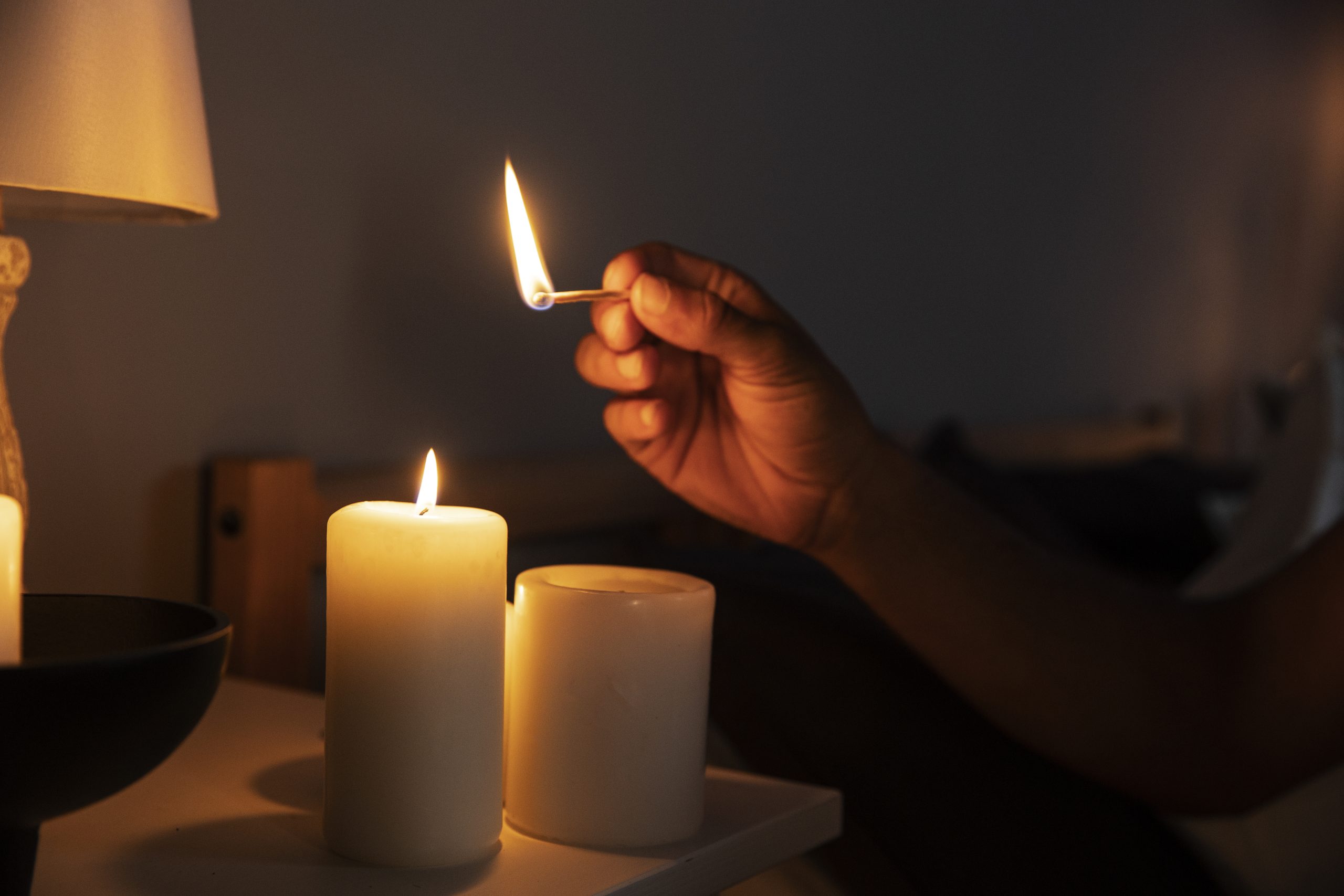

African American spirituality is a living tradition shaped by resilience, memory, and sacred tools passed through generations. From whispered prayers in brush arbors to modern altar spaces, spiritual practices remain deeply rooted in culture, identity, and ancestry.
Memory as Resistance
For descendants of the enslaved, spiritual practice is not just ritual—it’s reclamation. It reconnects broken links caused by colonization, forced conversion, and cultural erasure. Today’s rootworkers, priestesses, and empaths carry forward ancestral memory as living wisdom. Their paths—whether awakened through dreams, grief, or intuition—all lead back to the altar, the land, and the spirits who never left.
Foundational Tools Still in Use
African spiritual tools aren’t static relics—they’re living instruments of divine energy (ashe), used to communicate with ancestors, seek guidance, and create sacred space.
1. Altars
Altars are sacred portals. Whether simple or elaborate, they hold candles, offerings, water, and photos of ancestors. In modern practice, symbols like Pan-African flags or protest buttons may join traditional items. Many practitioners now source authentic ritual supplies from trusted brands like Geechee Mama to support their altar work.
2. Herbs and Roots
Herbs such as hyssop, basil, and mugwort are key in Hoodoo and Rootwork. They’re used for cleansing, protection, and divination. Community gardens and herbal apothecaries are helping reclaim this wisdom, even in urban spaces.
3. Bones and Shells
Cowrie shells, bones, and stones are powerful tools for divination across traditions like Ifá and Dagara. Whether learned from elders or self-taught, practitioners today blend ancestral knowledge with personal intuition.
4. Sacred Sound
Drums, chants, and sorrow songs have long served as vessels of spirit. Today, practitioners use sound in gospel rituals, African dance, or spiritual playlists—allowing voice and rhythm to bridge earthly and divine realms.
Adapting Tools to Modern Life
Spirituality continues to evolve. Digital journals serve as virtual altars. Black Lives Matter vigils often include ancestral rituals like libation and name-calling. Ancestral healing is also being paired with trauma-informed care by Black therapists and guides, bridging the emotional with the spiritual.
Sacred Resistance and Reclamation
To engage in African American spirituality today is to resist erasure and celebrate identity. Each ritual is a revival. Every herb, drumbeat, and whispered prayer is a link in the chain of remembrance. This practice is not nostalgia—it’s revolution.
Final Words
Ancestral tools live on—not in museums but in breath, dreams, and rituals. They are not forgotten; they are transforming. Whether you’re returning to tradition or forging a new spiritual path, know this: your practice is sacred, your roots are deep, and your journey is powerful.
Let your altar rise. Let your herbs speak. And let the ancestors guide you home.
