
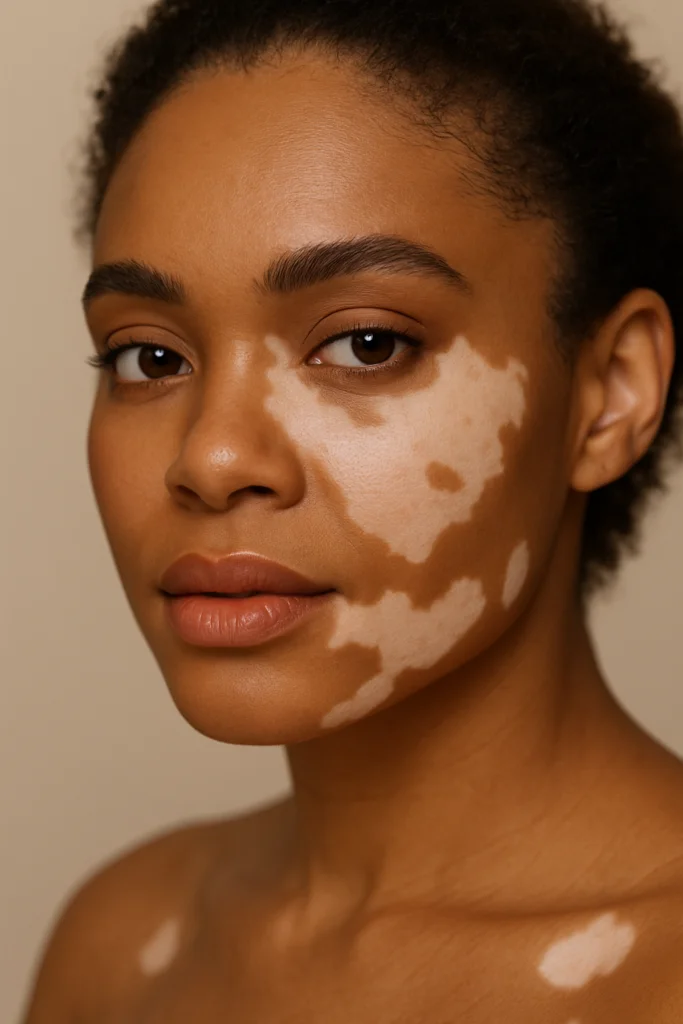

Understanding Vitiligo and Skin Pigmentation
Vitiligo is a chronic skin condition that can cause individuals to develop vitiligo characterized by the loss of pigment cells, leading to white patches of skin. This occurs when the body’s immune system mistakenly attacks melanocytes—cells responsible for producing a pigment called melanin. The resulting discoloration can affect any part of the body and often causes psychological distress in those who experience it.
This autoimmune disease affects people of all skin tones, but the contrast between pigmented and depigmented skin is especially noticeable in people with darker skin tones. While not physically harmful, understanding the options for vitiligo treatment is essential, as vitiligo significantly impacts the skin’s appearance and self-esteem of those living with it.
Causes of Vitiligo
Vitiligo is believed to be an autoimmune disease, where the body’s immune system targets its own healthy cells. It may also be associated with genetic factors or other autoimmune diseases such as thyroid disease or rheumatoid arthritis. Blood tests and a review of your family medical history can help confirm a diagnosis.
Environmental factors, sun exposure, and stress might trigger or worsen the condition. Though the exact cause remains unclear, dermatologists prescribe various treatment options to slow the progression or restore skin color.
How Vitiligo Affects Skin Pigment
When vitiligo occurs, pigment cells called melanocytes are destroyed in the affected areas, causing a loss of skin pigment and resulting in white patches. These patches of skin may spread slowly or rapidly, depending on the severity and cause. In active vitiligo, new areas of skin lose pigment while existing spots may enlarge or shift.
Some people with vitiligo experience skin irritation, especially in areas exposed to UV light or friction. Protecting these areas is essential to avoid damage to the skin cells and worsening of the condition.
Importance of Shading Techniques
Shading techniques for vitiligo skin play a significant role in concealing pigment loss. They offer cosmetic relief, helping to even out the skin tone and boost confidence. These methods do not treat vitiligo directly, but they help reduce its visibility on the skin’s surface.
From makeup and tattoos to medical pigment camouflage, these techniques cater to different needs and skin types. Each method aims to create a more balanced look by restoring color and concealing contrast.
Using Medical Camouflage Makeup
Medical camouflage makeup is a popular choice for people with vitiligo. It is designed to match your natural skin tone and cover white patches effectively. These products are often waterproof and long-lasting, making them ideal for daily wear.
Choosing the right shade requires a good understanding of your base skin color. You may need to blend multiple shades to find the perfect match for different areas of skin affected.
Tattoo Shading for Vitiligo
Tattooing, specifically micropigmentation or medical tattooing, is a more permanent way to hide vitiligo. It involves implanting pigments into the skin that match your normal skin color. Tattoo shading requires professional application and precision.
Although effective, this method is not suitable for everyone. People with active vitiligo or a history of skin disorders may not be ideal candidates, as tattooing can trigger skin irritation or develop raised scars in some cases.
Topical Treatments for Skin Tone Blending
Topical steroids and topical calcineurin inhibitors are often used to treat vitiligo and may help restore pigmentation over time. While these are medical treatments, they can also improve the success of shading techniques by reducing the size of vitiligo patches.
Calcineurin inhibitors are especially useful for sensitive areas, such as the face. As maintenance therapy, they help minimize flare-ups and stabilize skin tone.
Sunless Tanners and Self-Tanning Products
Self-tanning products are a convenient, non-invasive way to darken white patches and blend them with surrounding skin. These products use dihydroxyacetone (DHA) to temporarily darken the skin, blending it with the remaining pigment, and are widely available over the counter.
They work best on light patches that are flat and free of irritation. However, matching the tone to your pigmented skin can be tricky and may require trial and error for natural-looking results.
Shading Techniques for Darker Skin
For individuals with darker skin tones, finding suitable shading options can be more challenging due to the higher contrast. Specialized products designed for darker skin are recommended, as they offer better pigment coverage and longer-lasting results.
Pigment tattooing and airbrush makeup are particularly effective for blending larger areas. A patch test is recommended to ensure that products do not irritate the affected skin.
Choosing the Right Coverage Based on Skin Tone
Your skin tone plays a significant role in selecting the appropriate shading method. For light skin, lightweight coverage and subtle pigments may suffice. However, medium to darker skin tones may require more opaque products and custom blending.
Always consult with a professional who understands how vitiligo affects various skin tones to ensure the best outcome.
The Role of Light Therapy in Enhancing Results
Light therapy, especially narrow band ultraviolet B (NB-UVB), is a well-established method to treat vitiligo. Light therapy, especially narrow band ultraviolet B (NB-UVB), is a well-established method to help restore skin color by stimulating melanocyte activity in the skin. This therapy is often combined with topical treatments for better results.
Light therapy may also prepare the skin for shading by stabilizing affected areas. This approach works best under the supervision of a dermatologist.
Preventing Skin Irritation During Shading
When applying any product to vitiligo-affected skin, it’s essential to avoid ingredients that cause irritation. Fragrance-free, hypoallergenic formulations are ideal. Moisturizing beforehand can also help the product blend better and reduce flaking.
People with sensitive skin should avoid aggressive exfoliation or overuse of topical steroids, as these may worsen the condition or harm healthy cells.
Temporary vs. Permanent Shading Solutions
Temporary shading methods include makeup, self-tanning products, and spray applications. These offer flexibility and less risk but require daily reapplication. Permanent methods like tattooing or micropigmentation provide long-term results but are more invasive.
Choosing between the two depends on your lifestyle, budget, and whether your vitiligo is stable or active.
Matching Makeup to Your Skin’s Undertone
Understanding whether your undertone is warm, cool, or neutral can significantly improve the appearance of shaded areas. This helps create a seamless transition between pigmented skin and vitiligo patches.
Using products with yellow or red bases can warm up lighter patches on darker skin, while cooler undertones may suit beige or olive shades better.
Enhancing Skin’s Appearance Through Color Correction
Color correcting before applying foundation or concealer can help neutralize the white patches. For example, peach or orange correctors can tone down light patches on medium to deep skin tones.
This layering technique enhances overall skin tone uniformity and requires practice to perfect.
Incorporating Broad Spectrum Sunscreen
Sun protection is crucial for people with vitiligo. A broad spectrum sunscreen protects both normal and affected skin from harmful UV rays, which can cause burns, skin cancer, and worsen contrast between light and dark patches.
Wearing protective clothing also helps maintain an even skin tone and prevents further damage.
Avoiding Triggers That Worsen Vitiligo
Exposure to harsh sunlight, certain chemicals, and emotional stress may trigger or exacerbate vitiligo. Reducing these triggers, along with proper treatment, helps stabilize the skin and improve the effectiveness of shading techniques.
A calm lifestyle and seeking support from a vitiligo support group can also aid mental health and skin stability.
Understanding Skin Biopsy and Medical Evaluation
To accurately diagnose and treat vitiligo and rule out other skin disorders , a dermatologist may perform a skin biopsy. This helps confirm the absence of pigment cells and rule out other skin conditions. A full medical history, including autoimmune disorders, also guides the treatment plan.
These steps ensure you receive the right care and safe shading options.
The Role of Skin Grafting in Restoring Color
Skin grafting is a surgical option for treating localized vitiligo. It involves transplanting healthy pigmented skin onto affected areas. While not commonly used for cosmetic shading, it can restore pigmentation when other treatments fail.
This procedure is typically reserved for stable vitiligo and small patches of skin.
When to See a Mental Health Professional
Living with visible skin differences can lead to psychological distress, including anxiety or depression. If your emotional health is affected, consider speaking to a mental health professional. Therapy can offer coping strategies and boost self-confidence.
The mental impact of vitiligo is often underestimated but deserves equal attention as physical treatment.
FAQs
1. Can shading techniques be used while undergoing light therapy?
Yes, many people use makeup or self-tanners while undergoing light therapy, as long as products don’t interfere with UV light absorption.
2. Are there risks involved with tattoo shading for vitiligo?
There’s a risk of skin irritation, infection, or developing raised scars, especially in sensitive or inflamed areas.
3. How long does self-tanning last on vitiligo patches?
Typically, 3 to 5 days, depending on skin care and product type.
4. Will sunscreen affect my makeup or tanner?
Choose sunscreens that layer well under makeup or opt for tinted sunscreens that offer light coverage and UV protection.
5. Is it possible to completely restore skin color with shading?
Shading techniques are cosmetic and can simulate normal skin color but do not fully restore pigment like medical treatments aim to.
