

Key Takeaways
- Choosing the right time to sell can impact your home’s price and speed.
- Seasonal trends, economic conditions, and local markets are key in determining timing.
- Understanding buyer behaviors can help sellers set realistic expectations.
- Preparation and flexibility are crucial for a successful home sale.
Decoding Home Selling Timing: Why It Matters
Deciding when to sell your home can significantly impact your final sale price and your property’s time on the market. While most homeowners spend plenty of time worrying about pricing strategies, choosing the optimal moment to list your house may be just as crucial to your success. Understanding real buyers in your area their preferences, purchasing power, and seasonal behaviors can give you a strategic edge. Today’s rapidly changing housing market, fluctuating interest rates, and unpredictable economic indicators mean understanding market timing is essential for a smooth transaction.
Seasonal Patterns Every Seller Should Know
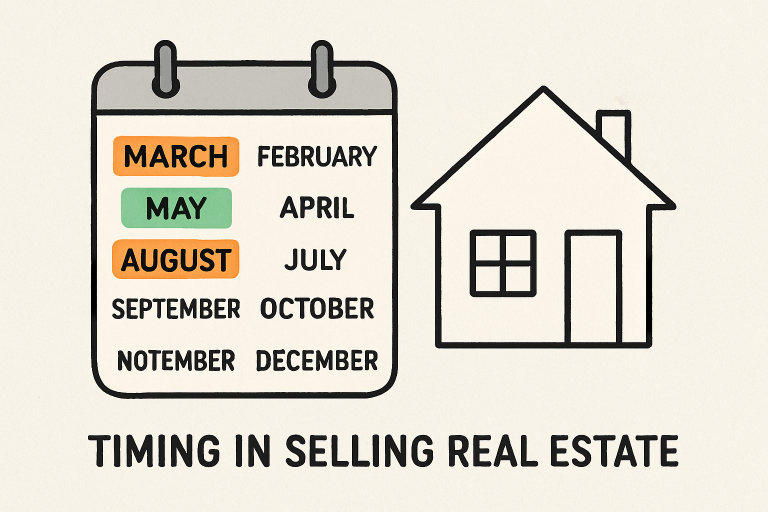
Seasonality remains one of the largest influences on home sales. Traditionally, late spring and early summer represent peak home-selling periods, as buyers are eager to relocate ahead of a new school year and take advantage of mild weather. In these months, curb appeal is at its best, and homes often receive more attention, sometimes leading to multiple offers above the asking price. However, this isn’t true everywhere. For example, warm-climate markets can see increased winter activity, thanks partly to incoming “snowbirds” seeking seasonal residences.
How Economic Conditions Influence Buyer Demand
Economic shifts play a powerful role in shaping the housing landscape. Buyers feel more confident when mortgage interest rates are low and job security is high, leading to increased competition and higher sale prices. Buyer activity often slows during times of uncertainty, such as rising inflation or layoffs. Sellers who are tuned into broad economic trends can better strategize their listing, potentially timing their move to coincide with periods of robust demand and higher valuations.
Insights from Local Markets: Not All Markets Move Together
Just as no two homes are alike, no two local real estate markets operate on the same calendar. Urban neighborhoods may see heightened fall activity, driven by job relocations or shifts in corporate hiring, while suburban areas are often busiest in the spring. Even weather can play a role; mild winters spur off-season sales in certain regions. Real estate agents who track hyper-local data, such as inventory changes and median days on market, can offer invaluable, personalized recommendations for the best listing times to buy house.
National trends provide only part of the picture. Partnering with a local professional someone familiar with specific neighborhood rhythms can help pinpoint unique windows of opportunity that lead to faster, more profitable sales.
Preparation Pays Off: Getting Ready to List
- Declutter and depersonalize living spaces.
- Invest in minor repairs and neutral décor.
- Stage the home for professional photos or virtual tours.
- Price the home based on current, local data.
First impressions are everything. Homes that shine from the outset attract better attention from buyers, especially in peak selling seasons. Small upgrades such as neutral paint, well-maintained landscaping, and detailed cleaning can elevate perceived value quickly. Investing time and effort before your home hits the market often leads to more offers and less time waiting for the right buyer.
Adapting to Changing Buyer Behaviors
The modern homebuyer is digitally savvy and expects information on demand. Most buyers begin searching online, relying heavily on virtual tours, high-resolution photos, and digital walk-throughs. Sellers who adapt by embracing these technologies—or by ensuring their agents do gain a significant edge. Flexibility with showings, quick responses to inquiries, and transparency about property details all contribute to a more successful and efficient selling experience.
Balancing Speed and Sale Price: What Data Shows
- Homes priced correctly from the start usually sell within the first few weeks.
- A longer time on the market often leads to price reductions.
- According to Forbes’ research, certain months can yield thousands more for sellers than slower periods.
Every seller decides between waiting for top dollar and prioritizing a faster sale. Pricing your home aggressively and in line with current, local sales can promote early, competitive offers. Data consistently shows properties that linger unsold are more likely to face price reductions over time. Honest evaluation of your priorities, future plans, and market context helps determine whether to aim for a swift sale or hold out for possibly higher offers.
Key Steps for Optimizing Timing
- Analyze local real estate data and trends through up-to-date sources.
- Monitor key economic signals, such as mortgage rates and employment statistics.
- Seek advice from knowledgeable professionals in your neighborhood and price range.
- Time your listing to coincide with peak demand, which often but not always aligns with late spring or early summer.
- Remain flexible and responsive to shifting buyer behaviors and feedback.
Staying proactive and open to new market information allows sellers to stack the odds in their favor, adapting strategies as the landscape evolves.
Stay Informed, Stay Flexible
No one-size-fits-all formula exists for choosing the perfect moment to sell your house. By understanding the unique rhythms of your local real estate market, monitoring economic conditions, and preparing your home for maximum impact, you dramatically improve your chances for a successful and productive sale. Consistent updates from reliable sources and insight from qualified professionals ensure you remain prepared for whatever comes next. Ultimately, the best moment to sell is when you’re most informed, well-prepared, and ready to make your next move confidently.
