

Key Takeaways
- Consistent brake inspections help identify problems before they escalate.
- Strange noises, changes in pedal feel, and unusual car behaviors often signal brake system issues.
- Regularly maintaining brake fluid and promptly replacing worn parts are the cornerstones of brake safety.
Detecting and preventing brake problems early is vital for vehicle safety. Brakes are crucial for controlling speed and stopping. Wear on pads, rotors, and fluid can reduce braking or cause failure. Recognizing warning signs like noises, vibrations, or a soft pedal helps address issues early. Regular inspections and good driving habits are key to maintaining safe brakes and protecting everyone on the road.
Routine maintenance is key to preventing costly and dangerous brake issues. Timely brake repair can address minor concerns like worn pads, fluid leaks, or rotor damage before they worsen. Additionally, monitoring brake fluid levels, checking for uneven wear, and paying attention to changes in braking performance can help drivers avoid unexpected failures. Vehicle owners can prolong the life of their braking parts and ensure dependable stopping by combining visual inspections with expert assessments. Taking proactive measures not only improves safety but also boosts the vehicle’s overall durability and performance.
Recognizing Early Warning Signs
Effective brake problem prevention begins with knowing the warning signs. By staying alert to the following symptoms, drivers can catch brake issues long before they become dangerous:
- Squeaking or grinding noises: Squealing shows worn brake pads; grinding indicates metal rubbing, risking costly rotor or caliper repairs.
- Soft or spongy brake pedal: This often signals air in lines or fluid leaks, reducing braking effectiveness.
- Vehicle pulling to one side: Veering when braking indicates uneven pad wear or a stuck caliper, leading to faster tire wear.
- Vibration or pulsation: Vibrations when braking may mean warped rotors, impairing smooth stopping.
- Burning smell: A chemical odor after heavy braking signals overheating or a stuck caliper, risking brake failure.
Regular Brake Inspections
Regular brake inspections are essential for maintaining vehicle safety and performance. Over time, brake pads, rotors, and fluid can wear down, potentially compromising stopping power. By scheduling consistent check-ups, drivers can identify early signs of issues, such as unusual noises, vibrations, or longer stopping distances. Visiting a trusted automotive shop ensures brakes are thoroughly examined and any necessary adjustments or replacements are made promptly. Routine inspections not only prevent costly repairs but also enhance overall driving confidence. Staying proactive with brake maintenance helps keep the vehicle and its passengers safe while extending the lifespan of braking components.
Brake Fluid Maintenance
Brake fluid is crucial for translating pedal pressure into effective braking force. Over time, fluid absorbs moisture and contaminants, reducing its effectiveness and increasing the risk of corrosion within the brake system. Most manufacturers recommend replacing brake fluid at least every two years or as advised explicitly in your owner’s manual. Consistently checking for proper fluid levels and clarity helps to ensure your brakes respond effectively whenever you need them.
Replacing Brake Pads and Rotors
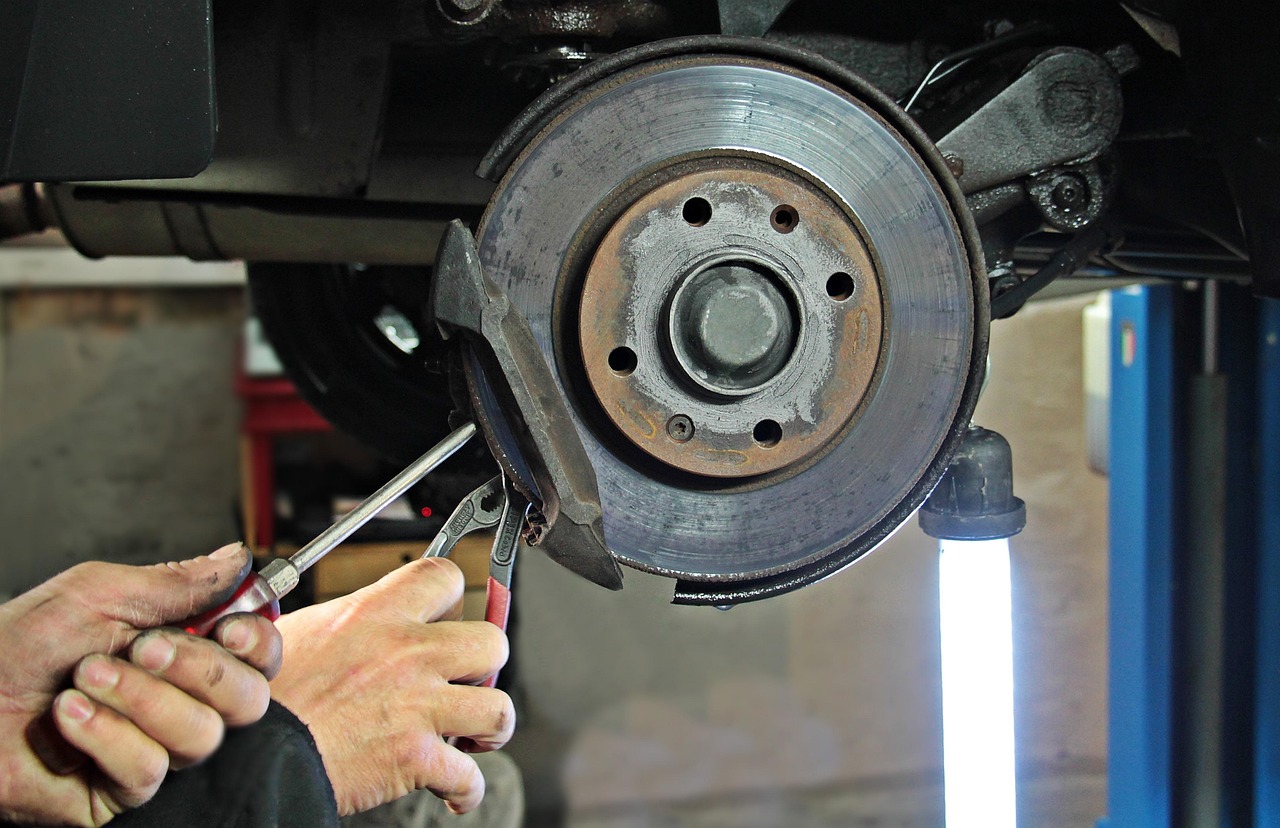
Brake pads require replacement typically every 30,000 to 70,000 miles, though actual wear depends on driving conditions and personal habits. Urban driving with frequent stops leads to quicker wear than more consistent highway driving. Rotors, too, have a finite lifespan inspect them for grooves, warping, or thinning during each service. Properly maintained rotors and pads offer smoother, safer stopping and maximize the effectiveness of the entire system.
Advanced Brake Technologies
Modern cars increasingly rely on advanced brake technologies to keep drivers safe in a broader range of scenarios, including:
- Anti-lock Braking System (ABS): By preventing wheel lock-up during emergency braking, ABS allows drivers to maintain better control and steer around obstacles.
- Automatic Emergency Braking (AEB): This technology automatically applies the brakes to avoid or reduce the severity of a collision if the system senses an impending impact and the driver does not respond in time.
Knowing your vehicle’s advanced brake features helps you understand how they operate and when maintenance is needed for optimal performance. Cars.com’s safety technology explainer provides additional details.
Conclusion
Staying proactive about your vehicle’s brake health is essential for safe and reliable driving. By learning to recognize early warning signs, keeping up with routine professional inspections, and understanding the complexities of modern brake technologies, you minimize your risk of unexpected failures and extend the longevity of your vehicle’s braking system. Consistent maintenance, professional inspections, and attention to performance will protect you and your loved ones every time you drive.

1 Comment
Pingback: Why Car Sunshades Are Becoming a Practical Privacy Tool for Australian