

Table of Contents
- Why Recycling Used Cooking Oil Is A Sustainable Choice
- Environmental Benefits of Used Cooking Oil Recycling
- Transforming Waste into Valuable Resources
- The Role of Used Cooking Oil in Biofuel Production
- Best Practices for Businesses in The Food Industry
- Understanding Regulatory Guidelines and Compliance
- Practical Steps to Start Recycling Used Cooking Oil
- A Global Perspective: International Approaches to Oil Recycling
- Conclusion
Why Recycling Used Cooking Oil is a Sustainable Choice
Demand for sustainability in the food industry is skyrocketing, urging businesses to rethink their operational waste. One of the most impactful steps towards environmental leadership is embracing cooking oil recycling. Through this process, used oils are viewed not as refuse, but as valuable commodities that can be repurposed for multiple beneficial uses. Instead of disposing of used cooking oil into drains or sending it to landfills, recycling unlocks its untapped potential. According to the EPA, proper management of used oil minimizes environmental damage and supports resource conservation. By participating in oil recycling initiatives, food businesses contribute to a closed-loop economy and set themselves apart as responsible stewards of the environment.
Environmental Benefits of Used Cooking Oil Recycling
The improper cooking oil disposal leads to many environmental challenges clogged sewer systems, polluted waterways, and increased greenhouse gas emissions from decomposing organic matter. However, the negative consequences are markedly reduced when these oils are captured and recycled. Studies demonstrate that recycling can curb pollution, lessen landfill usage, and even result in a smaller carbon footprint for food service operations. Transforming used cooking oil into alternative fuels and industrial products further amplifies ecological gains. International support for green energy derived from recycled oil is accelerating, paving the way for cleaner urban environments worldwide.
Transforming Waste into Valuable Resources
What was once considered waste now stands at the forefront of circular, resource-conscious economics. Used cooking oil can be processed and repurposed into animal feed ingredients, lubricants, soap, and biofuel. This shift is transforming the very definition of waste in the food sector, creating new profit channels and reducing overall disposal costs. The circular economy approach is especially significant as it helps businesses optimize waste management, fulfill sustainability mandates, and find novel ways to monetize byproducts. This is a practical strategy for reducing operational burdens while ensuring compliance and corporate responsibility.
The Role of Used Cooking Oil In Biofuel Production
One of the most exciting uses for recycled cooking oil is biofuel production, particularly biodiesel. Biodiesel derived from used oil provides a sustainable alternative to fossil fuels. It boasts a significantly lower environmental impact releasing up to 75% fewer greenhouse gases according to climate science analyses from the U.S. Department of Energy. Transitioning to biofuel made from recycled cooking oil substantially reduces sulfur and particulate matter emissions, addressing both air quality issues and long-term climate concerns. As more regions adopt emissions reduction targets and green energy standards, food businesses pursuing oil recycling contribute directly to improving cleaner, more renewable urban infrastructures.
Best Practices for Businesses in The Food Industry
Storage and Collection
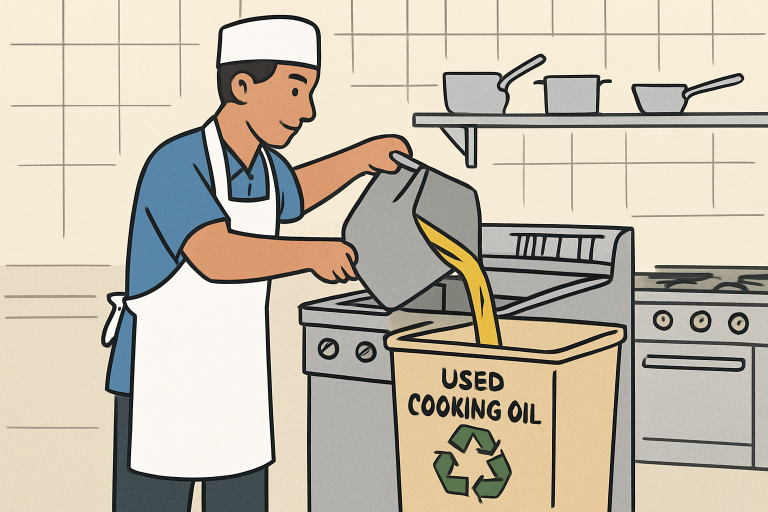
Effective oil recycling starts with safe handling. To prevent degradation and environmental hazards, store used oil in labeled, leak-proof containers positioned away from heat sources and direct sunlight. Keeping containers out of shared workspaces minimizes the risk of accidental spills.
Vendor Partnerships
Partner with licensed recycling providers who meet all regulatory criteria. Regular pickups and thorough documentation guarantee the integrity of the recycling process and smooth compliance audits, laying a foundation for hassle-free operations.
Maintenance and Monitoring
Schedule regular maintenance checks to prevent contamination from water, food scraps, or cleaning agents. Monitoring recycling volumes can reveal trends in oil usage, providing insights for process optimization and cost management.
Understanding Regulatory Guidelines and Compliance
Environmental and health authorities strictly regulate the use of cooking oil to prevent the contamination of natural resources. Local, regional, and national guidelines lay out protocols for collecting, storing, and transporting oils to recycling facilities. Adhering to these standards is crucial for businesses to avoid fines and legal complications, maintain licenses, and earn community trust. Stay informed on updates from reliable sources like the EPA’s Used Oil Recycling page. Proactive compliance not only shields businesses from operational hazards, it contributes to community health and the preservation of local ecosystems.
Practical Steps to Start Recycling Used Cooking Oil
- Assess all locations in your operation where used oil is generated, including kitchen fryers and food prep stations.
- Engage a certified collection and recycling partner for regular pickups and transparent service documentation.
- Implement training programs for kitchen teams, emphasizing proper oil handling and storage protocols to prevent contamination.
- Establish a monitoring system for logging recycled oil quantities, tracking progress, and highlighting new areas for improvement.
These foundational steps make it easy for businesses of any size to launch successful cooking oil recycling programs, delivering long-term operational and environmental benefits.
A Global Perspective: International Approaches to Oil Recycling
Various countries worldwide are integrating used oil recycling into national sustainability frameworks. In Italy and Spain, commercial kitchens are mandated to recycle their cooking oils, while Germany provides subsidies to businesses producing biofuel from secondary oils. Governments in other regions educate households and small restaurants about eco-friendly disposal methods. These international models reveal opportunities for shared innovation and policy development. By observing worldwide best practices and outcomes, local businesses can continuously adapt, ensuring their recycling strategies remain at the leading edge of sustainability efforts and legislation.
Conclusion
Recycling used cooking oil is more than a responsible disposal method it is a cornerstone of sustainable business practice and environmental stewardship. The benefits extend far beyond the kitchen, from reducing pollution and easing waste management challenges to creating renewable energy and new revenue streams. By embracing best practices, adhering to regulatory standards, and learning from global approaches, businesses in the food industry can transform waste into opportunity. Each gallon of recycled oil represents a step toward cleaner communities, stronger economies, and a more sustainable future. Whether a small restaurant or a large food service chain, every business has the potential to make a measurable impact by turning used oil into a resource that drives positive change.
