
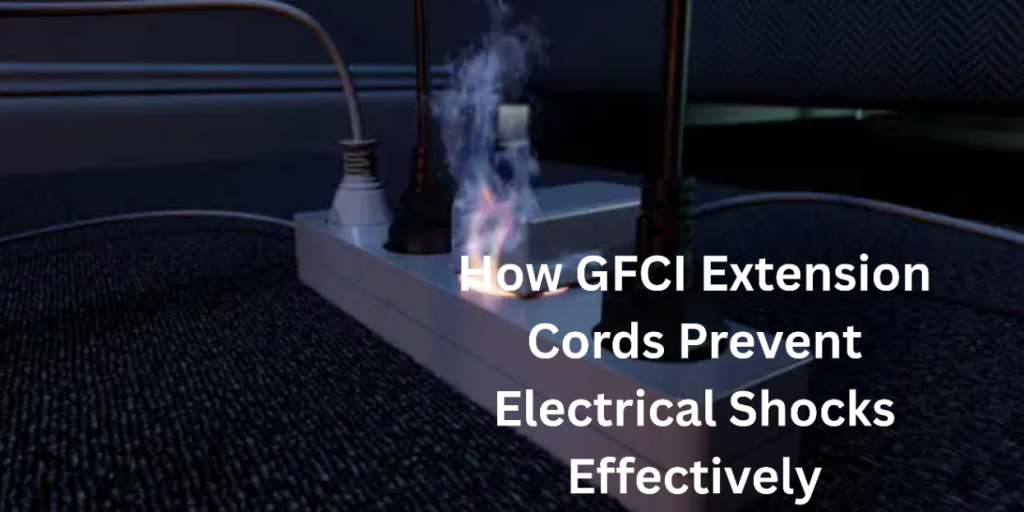

Extension cords aren’t made equal. While many of these attachments only perform the basic function of extending electricity to equipment located farther from nearby power outlets, some come with additional safety features like GFCI protection.
GFCI extension cords protect you from shocks and electrocutions while using electrical appliances. Although the cables deliver in all environments, they’re particularly ideal when working in moist areas.
Here’s a look at what GFCI extension cords are and how they prevent electrical shocks.
Unpacking the GFCI Extension Cord
Gone are the days when aesthetics solely defined an extension cord’s suitability. Due to the rising cases of electrical hazards, many homeowners now desire power extenders that also provide the ultimate protection from unforeseen risks.
Fortunately, modern extension cords come with several built-in safety features. Common ones include circuit breakers, surge protectors, and GFCIs.
A GFCI extension cord is a power extender designed with an in-built GFCI. These cables offer robust protection from electrical hazards, particularly shocks and electrocution.
How Do GFCI Extension Cords Work?
To use a GFCI extension cord, start by plugging the wire into a receptacle.
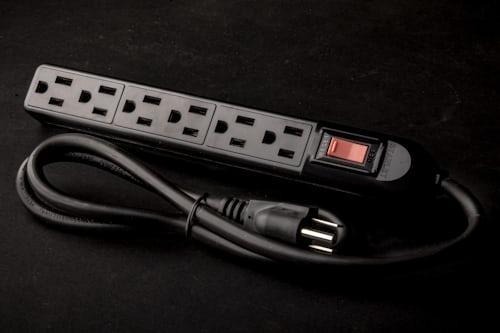
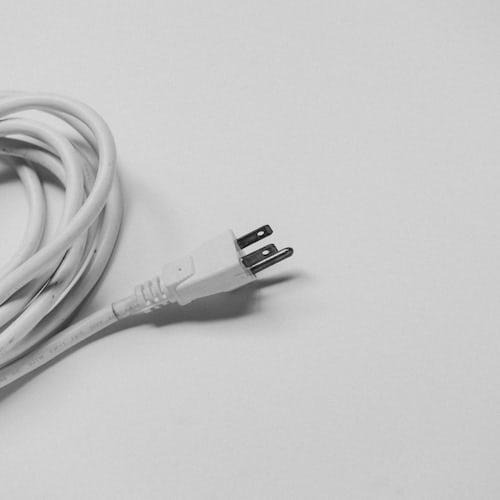
GFCI power extenders are almost always three-pronged. Therefore, be sure to plug the cable into a three-slot outlet.
Do not attempt to remove the ground pin to modify your GFCI extension cord for a two-slot receptacle.
Not only can this damage the delicate pins. It also reduces the cord’s safety, exposing you to electrical shocks.
Once connected, a GFCI works in the background to monitor current as it flows through the two conductors (Hot and Neutral). The device utilizes advanced sensors that function as differential current transformers.
Normally, the amount of current flowing out of an extension cord through the Hot conductor equals the quantity returning via the Neutral wire. Any imbalance causes a ground fault.
A ground fault essentially occurs when current deviates from its normal route and follows an unintended path. When this happens, a GFCI extension cord responds by automatically shutting down the power supply to prevent you from getting shocked.
Several factors can trigger a ground fault, typically caused by current flowing through unintended paths such as water, damaged appliances, or even the human body.
A GFCI extension cord registers a ground fault as a current leak. Therefore, the in-built sensors move swiftly to prevent the current from potentially leaking into your body.
Where To Use GFCI Extension Cords?
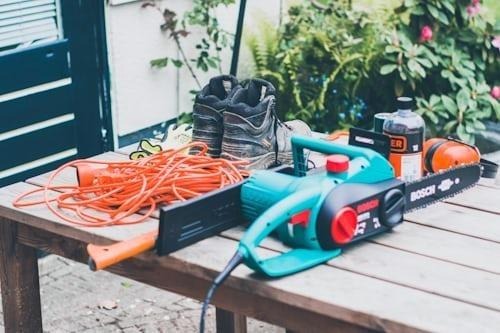
GFCI extension cords are ideal for both indoor and outdoor applications.
But according to the National Electrical Code (NEC), these cables are most effective when working in damp or moist environments. Those include;
- Kitchens and bathrooms
- Garages
- Crawl spaces and basements
- Laundry areas
- Verandas and balconies, such as for festive lighting
- Patios and driveways
- Yards, especially for maintenance during wet seasons
- Construction sites
- The factory floor
Moreover, the 2023 NEC mandates incorporating GFCI protection into all kitchen countertop surfaces and within 6 feet of a sink.
That means all modern kitchens should be constructed with GFCI outlets. But where such are missing, a GFCI extension cord can come in handy.
How Do GFCIs Improve Your Safety?
GFCI extension cords are remarkably effective at preventing electrical hazards.
Like circuit breakers and surge protectors, these devices work continuously in the background to provide 24/7 protection. They flag subtle current leakages to keep you safe from unforeseen shocks.
While ratings vary, most GFCI extension cords can flag off current imbalances exceeding 4 to 6 milliamperes. This enables them to cut off the power supply before a significant amount of current flows through your body.
GFCIs work incredibly fast, too. Some devices have a reaction time of 1/40th of a second. They proactively avert electrical shocks even before you know the circuit has a problem.
GFCIs are the first line of defense when regular GFCI outlets are unavailable. Besides, you can plug them into GFCI receptacles to offer an extra layer of protection. And as mentioned, these extension cords are notably effective when working in damp environments.
But a GFCI extension cord doesn’t only offer protection within its immediate outlet.
A ground fault in a different outlet within the same property may cause all connected GFCIs to trip. This safeguards everyone else using electricity within the same location, making GFCI power extenders perfect for busy commercial settings.
Other Benefits of GFCI Extension Cords
Many GFCI extension cords feature robust construction, increasing their longevity. They also come with durable plugs that add to their overall durability.
Besides, investing in GFCI extension cords can be a critical step towards complying with OSHA’s electrical standards.
OSHA requires employers to provide ground fault protection, which is achievable through GFCI extension cords.
Wrap Up
GFCI extension cords may come with a heftier price tag compared to standard power extenders. But they can be incredibly cost-effective in the long run.
Using a GFCI extension cord safeguards you from electrical shocks, which could lead to costly medical expenses depending on the severity. The cables automatically shut off the power supply to prevent dangerous electrical current from flowing towards and through your body.
While inherently designed to protect users from electrocution, GFCI extension cords may also extend the longevity of your appliances.
A trip in these devices indicates faulty current flow. You can then inspect your circuits for any anomalies, averting appliance damage.
