

Key Takeaways:
- Light festivals serve as platforms for cultural exchange and community bonding.
- These events often incorporate diverse traditions, fostering inclusivity and understanding.
- Community-driven light displays can revitalize neighborhoods and boost local economies.
The Unifying Power of Light Festivals
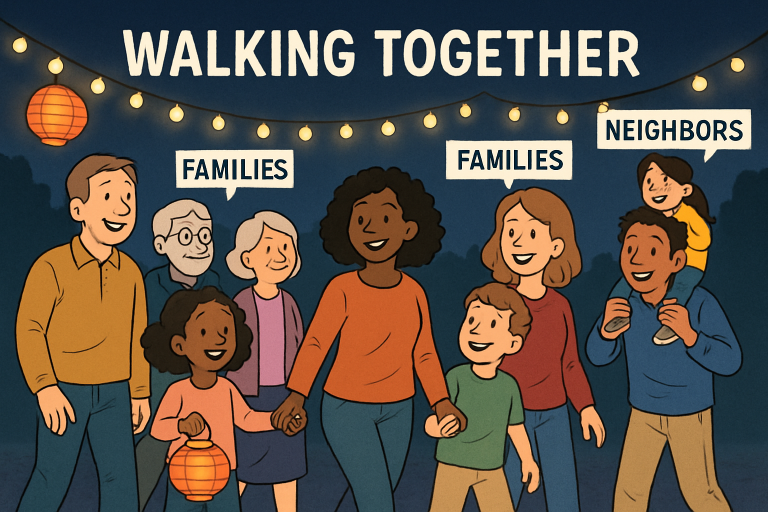
The magic of light festivals goes far beyond brightly illuminated streets and dazzling displays. Around the world, these vibrant celebrations have emerged as powerful vehicles for bringing people together, highlighting our shared human connection. Whether it’s for cultural, religious, or seasonal reasons, communities large and small gather to take in the spectacular sights and more importantly, to interact, celebrate, and build relationships. Attending a Christmas lights show lets families, friends, and even strangers share in the collective awe of festivity, making light festivals an integral part of communal joy and togetherness.
Through the universal symbolism of light hope, renewal, and warmth these festivals nurture community spirit. The shared experience of walking through illuminated parks or historic districts fosters a sense of belonging, as light blurs boundaries and fosters inclusivity. The magical ambiance found in these celebrations can help dissolve barriers, encouraging conversations and interactions that might not otherwise occur throughout the year.
Most light festivals are deeply rooted in the local culture, reflecting both distinct traditions and evolving social narratives. Whether through processions, lantern displays, or artist installations, these gatherings help people from different backgrounds come together with a common purpose. They serve as moments for reflection, gratitude, and bringing light both literal and metaphorical into people’s lives.
The impact of a well-curated festival extends further than enjoyment; it forges new connections and builds a sense of pride within communities. In many towns and cities, locals volunteer in large numbers to help organize, decorate, and staff events, reinforcing social ties and sparking renewed neighborhood engagement.
Cultural Exchange Through Illumination
The beauty of light festivals lies not only in aesthetics but also in culture. These events often become vibrant showcases for multicultural traditions and perspectives, allowing attendees to explore customs different from their own. For example, the Festival of Lights and Luminaries at Elon University in North Carolina features over 50,000 luminaries and interactive stations highlighting various cultural and spiritual groups. Festival-goers are invited to learn about diverse traditions (from Hanukkah and Kwanzaa to Diwali and Christmas), underscoring the message that communities can be made brighter by embracing diversity.
These illuminating events offer a unique platform where local artists, international visitors, and community members interact and share their stories. Light displays, art installations, and performances serve as vehicles for cross-cultural understanding, helping break down prejudices and celebrate the rich social fabric of communities. Large-scale festivals, like those seen across Europe or Asia, often attract travelers from around the globe, each bringing their own traditions and experiences to the shared space.
Revitalizing Communities with Light
Light festivals do more than create memorable moments; they are proven catalysts for local renewal and economic prosperity. Communities that invest in creative light events frequently see their neighborhoods transformed as vacant storefronts, parks, and main streets are reenergized with vibrant activity. In San Francisco, for instance, the “Let’s Glow SF” holiday light show has become an annual demonstration of this power inviting artists to reimagine public spaces and inspiring waves of visitors to shop, dine, and celebrate in the heart of the city.
By transforming public areas with light and creativity, neighborhoods renew community participation, decrease crime through increased nighttime activity, and drive additional revenue for local businesses. The influx of visitors offers fresh opportunities for entrepreneurs and small businesses alike, creating a positive economic feedback loop that extends well beyond the festival.
Inclusivity and Interfaith Collaboration
The spirit of light festivals often transcends cultural or religious lines, becoming powerful venues for inclusivity and interfaith collaboration. One striking example is the “Light over Darkness Festival” in San Bruno, California. This annual interfaith gathering, coordinated by Sanatan Mandir, brings together representatives from Hindu, Christian, Jewish, Muslim, and other faith traditions for a night of shared celebration and conversation.
Through collaborative planning and open dialogue, such festivals not only honor the uniqueness of different traditions but also emphasize common values—like hope, peace, and goodwill. In doing so, they help bridge divides, create stronger bonds of respect and understanding, and demonstrate how diversity can be valued and celebrated within a single community gathering. As more communities embrace interfaith and inclusive models, light festivals continue to evolve as safe, inspiring spaces for expressing unity.
Economic and Social Benefits
The impact of community-driven light festivals extends far into local economies and social well-being. In Los Angeles’ Upper Hastings Ranch, for instance, residents have organized neighborhood-wide holiday decorations for more than seven decades. This longstanding tradition attracts tens of thousands of visitors each year, providing a much-needed boost to nearby restaurants, shops, and service providers while inviting proud participation across generations.
Such collaborative efforts infuse neighborhoods with new energy and purpose, encouraging a spirit of generosity, teamwork, and pride. New initiatives often emerge from these large-scale projects, ranging from beautification committees to annual fundraisers for local causes. In many instances, light festivals leave a legacy of improved public spaces and increased community cohesion, setting the stage for ongoing prosperity and engagement.
Conclusion
Light festivals are much more than striking visual experiences they are catalysts for unity, cultural celebration, economic development, and inclusive dialogue. By illuminating both streets and hearts, these gatherings strengthen communities, foster understanding, and create enduring memories for all who take part. As we look ahead, the continued evolution of light festivals promises brighter, more connected, and resilient communities for generations to come.
