

Table of Contents
- Understanding Hormones and Their Functions
- Common Signs of Hormonal Imbalance
- Factors Affecting Hormonal Balance
- Natural Ways to Support Hormonal Health
- Medical Interventions and Therapies
- Importance of Regular Health Check-ups
- Conclusion
Hormones are the body’s chemical messengers, influencing everything from energy levels and mood to metabolism and immune function. When these delicate signals are out of balance, the effects can ripple through daily life, impacting both physical and mental well-being. Understanding the science of hormone balance is essential for maintaining health across the lifespan, as it sheds light on how the body responds to stress, nutrition, sleep, and aging. By exploring the mechanisms that regulate hormonal activity, individuals can make informed choices that support long-term vitality and resilience.
Achieving optimal hormone balance is not a one-size-fits-all approach. Each person’s physiology, lifestyle, and health history are unique, making personalized care an important factor in effectively identifying and addressing imbalances. Through careful observation, targeted strategies, and a focus on overall wellness, individuals can foster sustainable habits that promote lifelong health and well-being.
Understanding Hormones and Their Functions
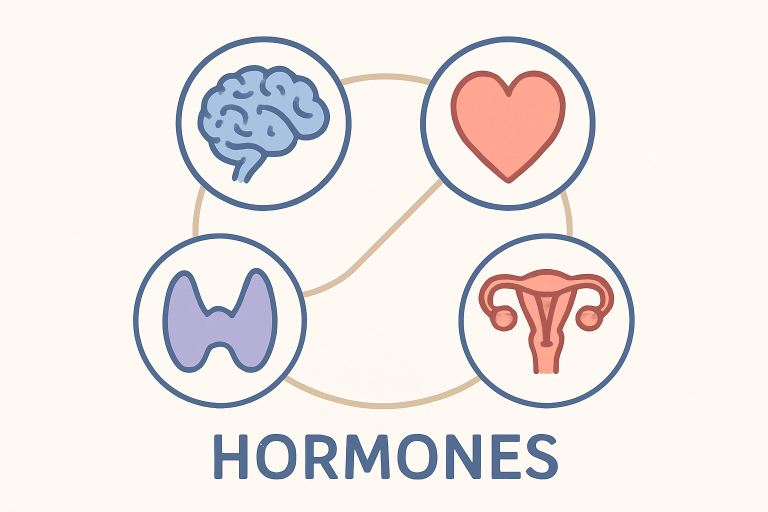
Hormones are specialized molecules manufactured by the glands of the endocrine system. From the brain’s hypothalamus and pituitary gland to your adrenal and reproductive organs, these glands release hormones directly into the bloodstream, sending signals to target organs and tissues to regulate critical processes. For example, insulin from the pancreas manages blood sugar, thyroid hormones govern metabolism, and reproductive hormones such as estrogen and testosterone shape fertility, libido, and body composition. Each hormone acts in harmony with others, striking a delicate balance for optimal health.
Because hormones influence such wide-ranging systems, even minor fluctuations can ripple through appetite, mood, sleep, energy, and skin health. Research indicates that hormonal regulation is essential not only for physical health but also for cognitive and emotional balance.
Common Signs of Hormonal Imbalance
Hormonal imbalance can show signs that are often overlooked or mistakenly linked to other factors. Common indicators include:
- Unexplained changes in body weight or fat distribution
- Consistent fatigue or low energy levels
- Mood swings, anxiety, or depression
- Disturbed sleep or persistent insomnia
- Irregular menstrual cycles or changes in sexual function
- Thinning hair or shifts in skin texture
Staying alert to these symptoms can prompt timely evaluation and help prevent long-term complications.
Factors Affecting Hormonal Balance
Multiple influences can disturb hormonal equilibrium, sometimes gradually over years. Among the most significant disruptors are:
- Chronic psychological or physical stress, which elevates cortisol and can suppress other key hormones
- Poor-quality diets lacking in essential nutrients, fiber, and healthy fats
- Low levels of physical activity contribute to insulin resistance and metabolic issues
- Exposure to synthetic chemicals, pesticides, and endocrine-disrupting substances found in some plastics, packaging, and cosmetics
- The natural effects of aging, especially during life phases like puberty, pregnancy, and menopause
Recognizing these risks is key to creating a personalized plan for sustainable hormone wellness.
Natural Ways to Support Hormonal Health
Balanced, sustainable hormone health starts with everyday actions. Research consistently highlights the power of foundational health habits to improve or even restore proper hormone function:
- Prioritizing a nutritious, whole-foods diet loaded with vegetables, lean proteins, healthy fats, and complex carbohydrates
- Maintaining consistent physical activity, including both strength and cardiovascular training
- Embracing stress reduction techniques, such as breathwork, meditation, yoga, or nature walks
- Ensuring regular, restorative sleep by supporting natural circadian rhythms and minimizing screen time before bed
- Taking steps to limit exposure to hormone-disrupting chemicals by opting for glass or stainless-steel food storage and reading labels on skincare items
Recent Insights: Hormones and the Gut
Exciting new studies suggest the gut microbiome plays an emerging role in hormone regulation and metabolic wellness. Researchers have found links between digestive health and hormonal function, particularly for postmenopausal women.
Medical Interventions and Therapies
In certain scenarios, natural techniques alone may not be enough. Medical interventions can restore quality of life, especially for women transitioning through menopause or individuals with clear hormone deficiencies. Hormone replacement therapy (HRT) is among the most well-researched options, offering relief from hot flashes, night sweats, and bone density loss. Working with a healthcare provider is essential to assess risks and benefits and to create a protocol tailored to your unique needs. Recent advances also link hormone therapy with improved metabolic metrics, driven by insights into hormone-microbiome interactions.
Importance of Regular Health Check-ups
Routine health exams underpin effective hormone care. Blood tests can reveal imbalances long before symptoms arise, enabling timely intervention. Monitoring not only helps address current issues but can also guide preventive measures, reducing the long-term risk of diabetes, heart disease, osteoporosis, and certain cancers.
Conclusion
Lifelong hormonal health is a dynamic pursuit, shaped by both science and daily decisions. From understanding the core systems at play to addressing visible symptoms, individuals can take control of their wellness journey. Nutrient-rich diets, active lifestyles, ongoing professional supervision, and thoughtful use of targeted therapies deliver the best odds for optimal hormone balance and enduring well-being.
