

The Third Molars Nobody Asked For
Humans grow these eight extra teeth toward the back of the mouth. They show up late, usually between 17 and 25. Evolution wired us for them back when diets were rough, jaws bigger to chew raw stuff. Now our faces shrank over generations. Smaller jaws mean these teeth cram in tight. They push against others or stay buried under gums.
When Teeth Become a Problem
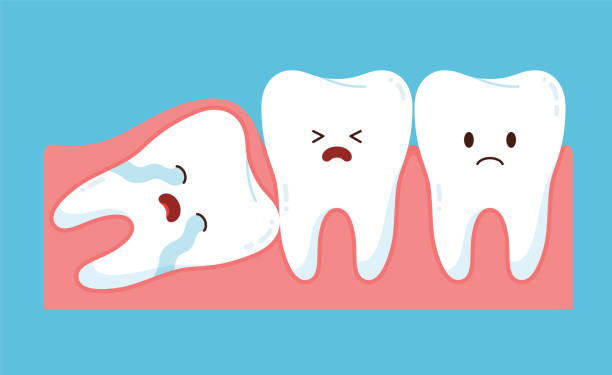
Impaction happens first. Teeth get stuck sideways or only halfway out. Pressure builds on nearby teeth. Crowding follows. Straight teeth shift because space runs out. Decay sets in next. Hard spots trap food and bacteria. Infections brew in those pockets. Untreated, cysts form around roots. Jawbone erodes over time. Teeth next door suffer damage too.
The Reality of Living With Extracted Molars
People worry gaps will mess up biting. Bodies adjust fine without them. Front teeth handle most chewing anyway. Dentists pull them routinely now. No real need for third molars in soft-food lives. Evolution left them behind. Most folks eat normally post-removal. No long-term chewing issues pop up.
What the Removal Process Actually Involves
Dentist checks x-rays first. They map tooth positions. Simple pulls use local numbing shots. Complicated ones go to oral surgeons. IV sedation calms nerves if wanted. General anesthesia knocks you out fully for tough cases. Procedure lasts 30 minutes to hours. They cut gum, remove bone if needed, extract teeth in pieces sometimes. Stitches close it up. Ice packs start right away. Pain hits day two but fades in a week. Over-the-counter meds handle most discomfort. Full recovery takes two weeks.
Signs Your Teeth Need Professional Attention
Jaw pain throbs constantly. Swelling puffs up the side of your face. Mouth won’t open wide. Gums bleed around the back. Visible holes or dark spots show on x-rays. Bad breath lingers from trapped debris. These signal trouble brewing. Self-diagnosis misses hidden damage. Pros spot issues early with tools.
Choosing the Right Time for the Procedure
Teens heal faster than adults. Roots form fully by 25, complicating pulls. Healthy bodies bounce back quicker. Severe pain or infection demands now. Busy schedules wait for calm periods. Early pulls avoid bigger messes later. Delays let problems spread to other teeth.
Recovery and What Comes After
Swelling peaks at 48 hours. Bruising fades in days. No straws or smoking for a week. Soft foods only at first. Yogurt, mashed potatoes fill the menu. Normal eating resumes in 5-7 days. Light activity okay after 24 hours. Full workouts wait three days. Call dentist for fever over 101, heavy bleeding, or pus. Most heal without hitches.
The Decision to Move Forward
Weigh your symptoms against daily hassle. Local experts handle these routinely. Check out wisdom teeth removal Las Vegas for solid options in the area. Book a consult to see your specific setup.
Investment and Insurance Considerations
Simple extractions run $150-300 per tooth. Impacted ones hit $300-800. Full sets push $1,500-3,500 without coverage. Insurance covers 80% often for medically needed pulls. Pre-existing issues might deny claims. Dental plans vary by provider. Financing spreads payments over months. Shop quotes from a few offices.
When to Seek Extraction Services
Fever spikes with swelling. Pus drains from gums. Pain meds fail completely. Breathing or swallowing gets hard. These scream emergency. Mild ache might wait a day. But ignore at your risk. Infection spreads fast.
Life After Extraction
Adaptation kicks in days. Chewing feels off briefly. Mouth strengthens around the gaps. Complications like dry socket hit 5% max. Normalcy returns by month two. No ongoing issues for most.
Making Your Decision
List your pains and fears. Get x-rays done. Talk to a dentist straight. They lay out risks and fixes. Only they know if pulling makes sense for you.
