
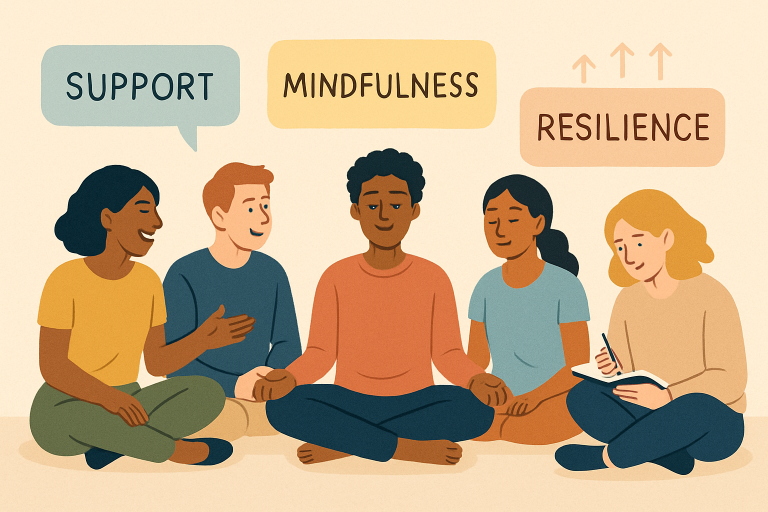

Key Takeaways
- Therapeutic interventions are vital for building resilience and equipping individuals with tools to navigate adversity.
- CBT, mindfulness, trauma-focused methods, and emotion-focused therapy each provide distinct pathways to strengthening mental health.
- Innovative approaches like artificial intelligence and community counseling extend the reach and effectiveness of therapy.
In today’s fast-paced, unpredictable environment, resilience has become increasingly important. This ability to recover from setbacks or stressors helps individuals not only cope but thrive despite adversity. As people face mounting pressures from work, personal life, and society, diverse therapeutic approaches now play a crucial role in fostering resilience. In Toronto and beyond, Comprehensive Psychotherapy Services Toronto offers clients strategies to adapt, recover, and ultimately strengthen their mental health.
Modern therapy is not limited to one method. Instead, it draws from multiple evidence-based approaches, blending traditional strategies with new technologies and community resources. Each therapeutic method contributes to resilience by empowering people with coping skills and greater self-awareness. As more individuals seek effective ways to manage stress, therapy’s influence continues to expand, providing a robust foundation for mental wellness in contemporary life.
Cognitive Behavioral Therapy: Reshaping Thought Patterns
Cognitive Behavioral Therapy (CBT) is widely recognized for its effectiveness in addressing anxiety, depression, and maladaptive thought patterns. At its core, CBT helps clients identify negative thinking habits that can sabotage resilience. With professional guidance, individuals learn to challenge and reframe these thoughts, which leads to healthier attitudes and coping mechanisms. Research consistently finds that CBT not only reduces symptoms of distress but also boosts long-term resilience by encouraging positive behavioral change.
Mindfulness Practices: Cultivating Present-Moment Awareness
Mindfulness-based therapies emphasize paying attention non-judgmentally to the present moment. Practices such as meditation, breathwork, and mindful movement are integrated into many therapeutic models, allowing individuals to step back from racing thoughts and overwhelming emotions. By encouraging acceptance of what is happening right now, mindfulness promotes clarity, calmness, and greater emotional balance. These are all essential components of resilience, allowing people to respond rather than react to stress. Numerous studies highlight the robust relationship between mindfulness and improved psychological resilience.
Trauma-Focused Therapy: Healing and Empowerment
Experiencing trauma can undermine one’s sense of safety, purpose, and control. Trauma-focused therapies, such as Eye Movement Desensitization and Reprocessing (EMDR) or trauma-informed cognitive therapy, provide safe environments where individuals process and heal from distressing events. These approaches not only focus on recovery but also aim to rebuild a sense of agency and empowerment. For many, working through trauma is key to restoring confidence and cultivating resilience against future challenges. Therapists support clients in developing self-compassion, boundaries, and renewed hope as part of the healing journey.
Innovative Approaches: AI and Community-Based Support
Recent advancements mean therapy is more accessible and personalized than ever before. AI-driven platforms, such as digital chatbots and guided self-help tools, deliver immediate, structured support for coping between therapy sessions. These technologies offer evidence-based strategies as supplemental resources, not replacements for professional care, enhancing the accessibility and flexibility of mental health support for many users.
In addition, community-embedded counseling programs integrate mental health services within schools, workplaces, and neighborhood centers. By leveraging established community trust and resources, these initiatives make therapy more approachable, especially for populations who might face barriers to traditional services. Research shows that community-based mental health support can greatly improve overall well-being, reduce stigma, and bolster collective resilience.
Positive Psychology: Focusing on Strengths
While much therapy is oriented toward alleviating suffering, positive psychology shifts the focus to cultivating strengths, gratitude, and meaning. Therapists working from this perspective encourage clients to identify what is going well, reflect on moments of achievement, and nurture qualities like kindness and perseverance. Emphasizing strengths does not ignore difficulties; instead, it provides a broader foundation for wellbeing. By building on positive experiences and inner resources, individuals often develop a stronger, resilient mindset that supports recovery and growth across adversity.
Emotion-Focused Therapy: Harnessing Emotional Intelligence
Emotion-Focused Therapy (EFT) helps clients increase their awareness of emotions and guides them in using this awareness to facilitate healing. By learning to recognize emotional triggers, name their feelings, and express themselves effectively, individuals strengthen their emotional intelligence, a key element of resilience. Being able to tolerate and manage difficult emotions rather than shutting them down or acting out improves relationships and fosters adaptation through life’s many transitions.
Conclusion
Resilience is not inherent; it is developed and strengthened through intentional effort and support. The integration of cognitive, emotional, mindfulness-based, and innovative approaches in therapy provides individuals with diverse options to nurture this vital capacity. As society continues to evolve, the collaboration between traditional therapy, technology, and community engagement will further enhance mental wellness. For those looking to navigate life’s challenges with greater strength, therapy offers not only relief but a pathway to sustainable personal growth.
