

Key Takeaways
- Begin saving as early as possible to maximize compound interest growth.
- Consider tax-smart tools, such as 529 plans, to boost your education savings.
- Pursue scholarships, grants, and alternative state programs for additional funding.
- Stay updated on the latest shifts in financial aid and student loan policies.
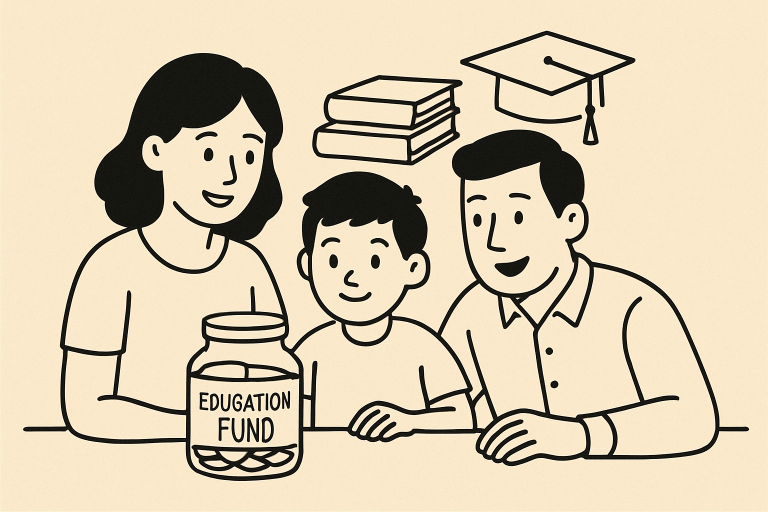
Preparing for your child’s educational future is one of the most meaningful investments your family can make, but navigating the different ways to save and fund that journey can feel overwhelming. By understanding the available resources and planning early, families can manage costs and ensure their child has access to the best possible opportunities. Whether you’re just beginning to save or evaluating how to make the most of your existing accounts, this guide will walk you through actionable steps for success, including what you should know about RESP withdrawals and other innovative savings options.
Education expenses, from tuition to textbooks, are rising each year, but there are proven strategies to ease the financial burden. Taking advantage of tax-advantaged accounts, planning, and staying up to date on scholarship opportunities and financial aid changes can all maximize your family’s long-term education fund and reduce out-of-pocket costs. Every family faces unique challenges, so tailor your approach according to your specific goals and situation.
Start Saving Early
Time is your strongest ally when saving for education. Even small, regular contributions to a savings account can accumulate significantly over the years. Starting early allows your contributions to benefit from compound interest, spreading out the impact of rising college or vocational school costs. The sooner you start, the less financial pressure you’ll experience as tuition deadlines approach, and the greater flexibility your child will have in choosing education pathways.
Utilize 529 Plans for Maximum Benefit
Among education-specific savings options, 529 plans stand out for their powerful tax benefits. Investments in a 529 grow tax-free as long as the funds are used for qualified educational expenses such as tuition, room and board, or technology costs. Many states also offer additional tax incentives for 529 contributions. Notably, recent updates to 529 plan rules provide even more flexibility: beginning in 2024, families can roll unused 529 plan funds into a Roth IRA for the beneficiary, up to annual and lifetime limits. This can provide more freedom and peace of mind for those worried about potential “over-saving.”
Understand RESP Withdrawals
For Canadian families, Registered Education Savings Plans (RESPs) provide another valuable, tax-advantaged way to save. When it’s time to access those funds, knowing the rules for RESP withdrawals is essential to avoid unnecessary taxes and maximize government grants. This helps ensure your savings work their hardest when your child needs them most.
Explore Scholarships, Grants, and State Programs
Scholarships and grants can substantially lower total education expenses. Encourage your child to apply broadly; many awards go unawarded each year simply because not enough applicants apply. In addition to national or university-specific opportunities, check for local and state programs relevant to your region and your child’s background. State initiatives, such as Alabama’s CHOOSE Act, are expanding access to private schools or homeschooling by offering direct financial support to qualifying families. For more information, visit the official CHOOSE Act website.
Stay Informed on Financial Aid Policy Changes
The structure and requirements of financial aid programs can shift frequently. For instance, recent changes to the Free Application for Federal Student Aid (FAFSA) have made certain family-owned education savings, such as grandparent-owned 529 plans, less likely to affect a student’s eligibility for need-based aid. Understanding how assets and withdrawals are evaluated ensures that you present your financial situation in the way most likely to maximize aid eligibility. It’s crucial to regularly review updates on FAFSA and student loan policies, available on trusted financial publications such as Forbes Advisor Education.
Consider Alternative Savings Accounts
While 529 plans dominate the education savings landscape, others, such as Coverdell Education Savings Accounts (ESAs), also offer tax advantages. Coverdell ESAs grow and are withdrawn tax-free for qualifying education expenses, and, uniquely, they can also cover costs for elementary and secondary education. However, these accounts have lower contribution limits and stricter income requirements, making them best suited for certain family circumstances.
Engage Your Child in Financial Planning
Involve your child in discussions about how you are saving for education, the expected costs, and how they might contribute through part-time work, scholarships, or responsible borrowing. Instilling a sense of financial responsibility early not only prepares them to make wise money choices as adults but also helps them appreciate the value of their education. This collaborative approach can foster a shared commitment to reaching your family’s educational goals.
Review Your Plan Regularly
Education costs and funding programs evolve, so reviewing and adjusting your savings plan is crucial. As your child’s interests and academic goals become clearer or your family’s financial situation changes, make sure your plan adapts accordingly. Meeting with a licensed financial advisor or tax professional can help you customize strategies to maximize your benefit.
Conclusion
Successful education planning relies on a blend of early savings, savvy use of tax-advantaged accounts, proactive pursuit of scholarships and aid, and ongoing flexibility as circumstances shift. With a thoughtful approach, you can help ensure your child’s educational foundation is strong and affordable, allowing them to pursue their ambitions with greater confidence and fewer financial constraints.
