
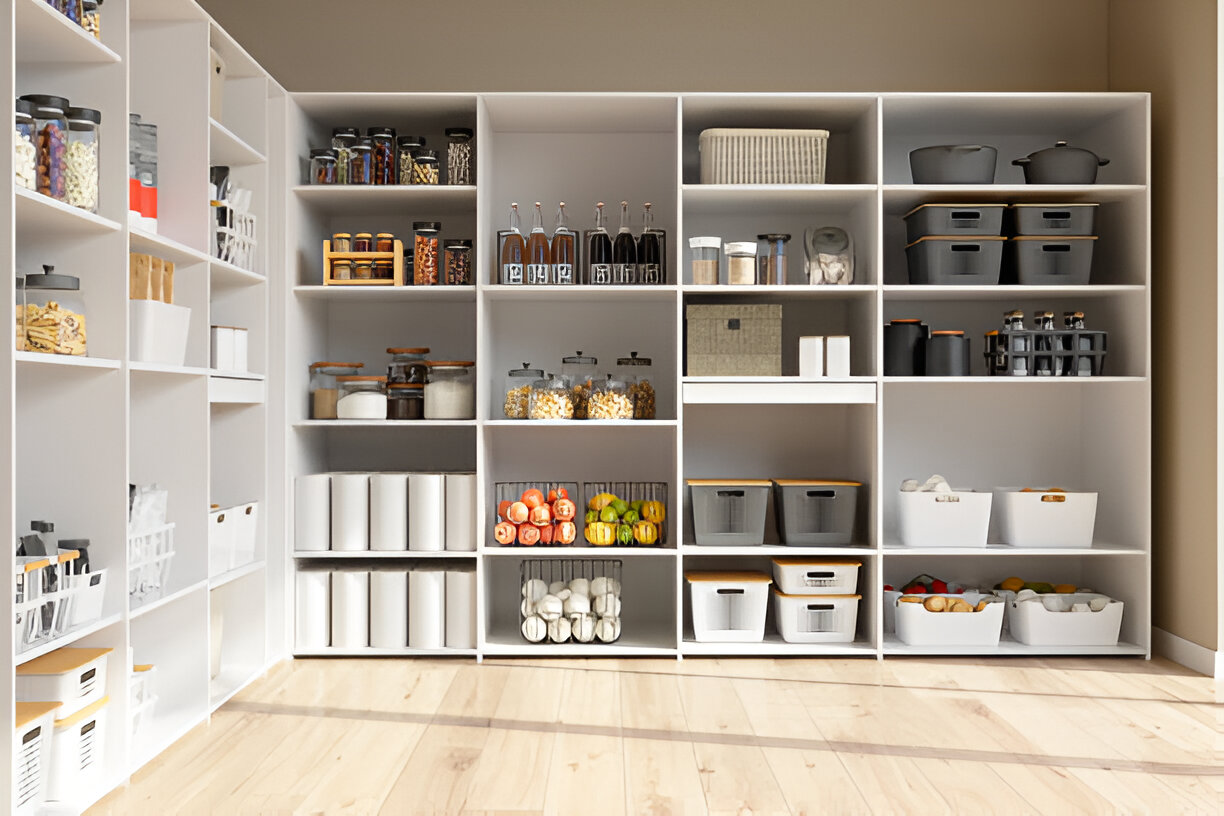

Picking the right storage solution can make or break your home organization game. When you’re hunting for the best storage cupboards with shelves, you’re essentially looking for furniture that’ll work hard for years without falling apart or looking dated. The tricky part is that storage needs vary wildly between households – what works perfectly in a minimalist apartment might be completely wrong for a family home with kids and pets. Modern storage cupboards have evolved way beyond basic boxes with doors, incorporating everything from soft-close hinges to adjustable shelving systems that adapt as your needs change. The key is understanding both your current storage requirements and how they might evolve over the next 5-10 years.
Material Science That Actually Matters
Most people think all wood is basically the same, but that’s where they get into trouble later. Particleboard might look fine in the showroom, but it literally falls apart when exposed to humidity changes. Australian homes deal with everything from tropical humidity in Queensland to dry heat in Western Australia, so material choice isn’t just about looks.
Solid timber obviously lasts longest, but it’s expensive and heavy. Medium-density fiberboard (MDF) offers a sweet middle ground – it’s stable, takes paint well, and costs about 40% less than solid wood. The catch is that cheaper MDF uses formaldehyde-based adhesives that can off-gas for months. Look for E1 or E0 rated MDF if you’re going this route.
Plywood gets overlooked, but it’s actually incredibly strong for its weight. Multi-ply construction means it won’t sag under heavy loads like books or kitchen supplies. The downside is that exposed edges look pretty industrial unless you’re into that aesthetic.
Metal storage cupboards have made a comeback, especially powder-coated steel options. They handle moisture better than wood, won’t warp, and can support ridiculous amounts of weight. The trade-off is that they can look cold in residential settings and they’re noisy – every door closure sounds like a locker room.
Shelving Systems That Make Sense
Fixed shelves are cheaper upfront, but they’re basically gambling that your storage needs won’t change. Adjustable shelving costs maybe 20% more but pays for itself in flexibility. The trick is understanding different adjustment mechanisms.
Pin-and-hole systems are the most common. Simple, reliable, but limited to preset increments – usually every 32mm. This works fine for most household items, but can be frustrating if you’re storing things that don’t fit standard spacing.
Track-based systems offer infinite adjustability within their range. More expensive, but worth it if you’re storing a mix of tall and short items. The clips can wear out over time, though, so factor in replacement costs.
Floating shelves mounted on hidden brackets look clean but have weight limitations. Most can handle 15-20kg distributed evenly, which is fine for clothes or light household items but inadequate for books or heavy kitchen gear.
Door Hardware That Won’t Drive You Crazy
This is where cheap cupboards really show their true colors. Basic hinges start squeaking within months and gradually lose their alignment. Soft-close hinges cost about $15-20 more per pair but they’ll outlast standard hinges by years.
European-style concealed hinges adjust in three directions, which means you can fix alignment issues without calling a carpenter. They’re also designed to handle the door weight properly, reducing stress on the cabinet frame.
Magnetic catches seem convenient but they lose strength over time, especially in humid environments. Roller catches provide more reliable closure and they’re easier to adjust when they start to loosen.
Push-to-open mechanisms are trendy right now, but they require precise installation to work smoothly. If your floors aren’t perfectly level or the cabinet settles slightly, these systems can become finicky.
Load Capacity Reality Check
Shelf manufacturers love to quote maximum weight ratings, but real-world performance depends on how that weight gets distributed. A shelf rated for 30kg might handle that if you spread books across the entire surface, but put a 25kg toolbox in the center and you’ll get permanent sagging.
The span between supports matters enormously. A 32mm thick shelf can handle significantly more weight with supports every 600mm versus every 900mm. Most household storage works best with shelf spans under 750mm for anything heavier than clothes.
Vertical load distribution is something most people ignore until it’s too late. If you’re planning to store heavy items, they need to go on lower shelves. Basic physics – the cabinet frame handles point loads better when they’re closer to the floor support.
Ventilation Considerations Nobody Talks About
Enclosed storage creates its own microclimate, and that can cause problems you didn’t see coming. Stored clothes need air circulation to prevent musty odors, especially in humid climates. Books can develop mold issues in completely sealed cupboards.
Simple solutions work best. Drilling a few small holes near the top and bottom of the back panel creates passive airflow without compromising the structure. Some manufacturers include ventilation grilles, but they often look like afterthoughts.
For kitchen storage cupboards, ventilation becomes critical near heat sources. Stored dry goods can actually spoil faster in hot, stagnant air than in slightly cooler, moving air.
