
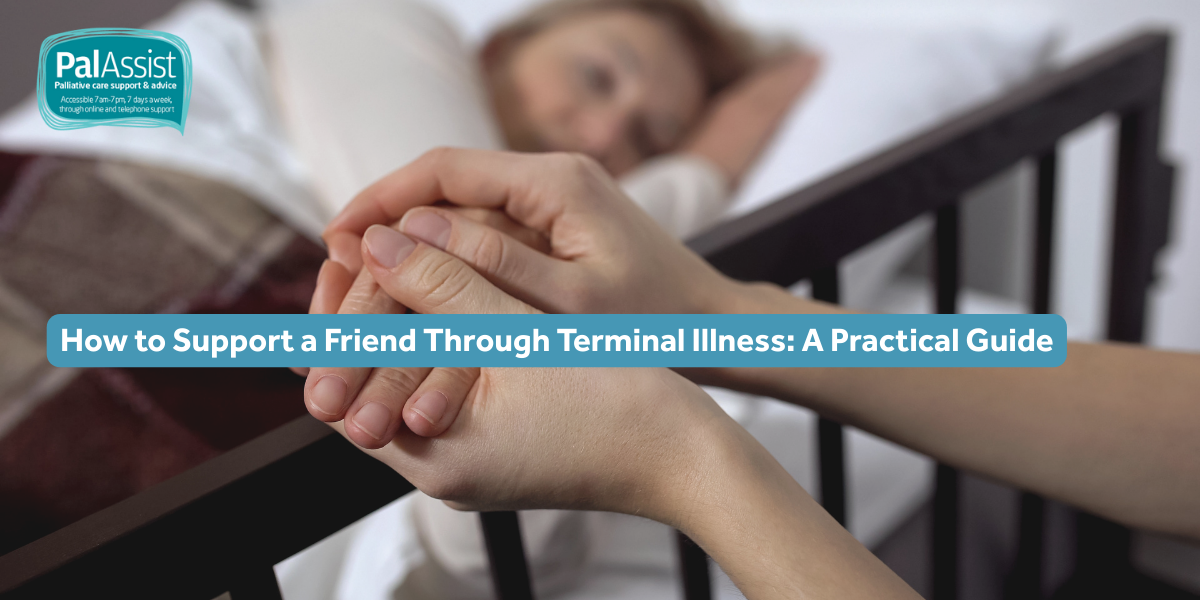

Supporting terminal illness requires knowing what to say, how to help practically, and when to connect with professional resources. Many friends worry about saying the wrong thing. Others feel uncomfortable maintaining normal relationships when someone faces a life-limiting illness.
This guide covers the essential communication skills you need. We’ll discuss various ways to help with end-of-life care. You’ll learn how to work with health professionals from this article. We’ll also share strategies for taking care of yourself during this process.
When someone you love is dying, you feel helpless. Pal Assist gets it. Our registered nurses offer free telephone support and resources designed to help you provide meaningful care. You can call when you’re scared, confused, or just need someone who understands what you’re going through.
Ready to learn effective support strategies? Let’s get started.
What to Say (and Not Say) When Supporting Terminal Illness
When supporting someone with a terminal illness, focus on listening actively and validating their feelings. Use supportive phrases while avoiding platitudes or comparisons to others’ experiences.

Simple words work best in these situations (we’ve seen this in our experience). “I’m thinking of you” or “I love you” often carry deeper meaning than elaborate responses. When you’re confused about what to say, try “I don’t know what to say, but I’m here for you.” Your friend will appreciate your honesty over perfect phrases.
However, there are comments you should avoid completely. Never say “you’ll beat this” or “everything will be fine.” These statements can make your friend feel like their very real fears aren’t valid.
Drawing from our experience supporting families through serious illness, we’ve learned that sharing other people’s cancer survival stories usually backfires. Your friend’s journey is unique.
Well, what’s the best approach in this case? Let them lead conversations about their illness. If they want to talk about their health, listen without trying to fix anything. If they prefer discussing everyday topics like work gossip or family updates, follow that lead.
People facing terminal illness often crave normalcy. They want to feel like themselves, not just patients.
Practical Ways to Help Your Friend With End-of-Life Care
Practical support works better when you offer specific actions instead of vague promises. Small, targeted help often means much deeper things to someone facing terminal illness.
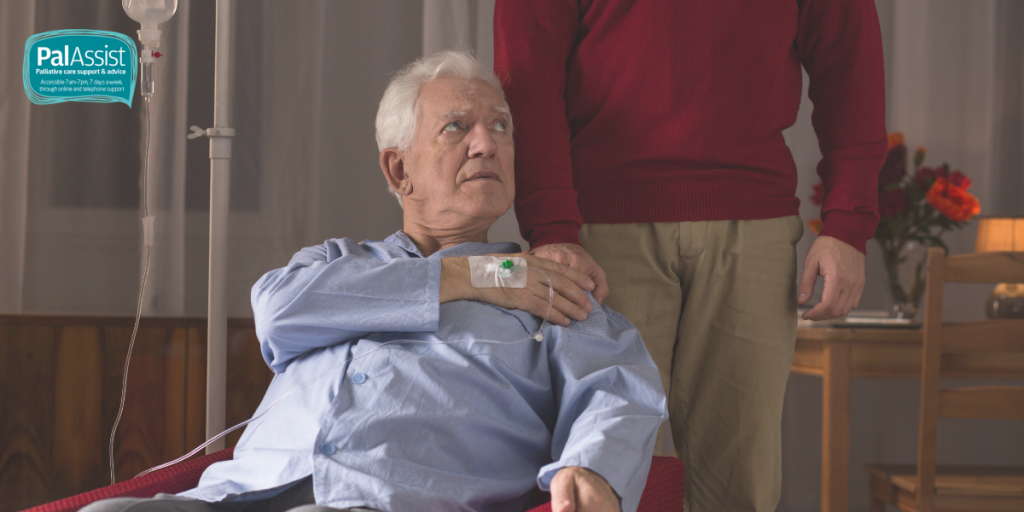
Here are three main ways to provide meaningful, practical support:
Offer Specific Help Instead of Generic Offers
Start by offering concrete help rather than saying “let me know if you need anything.” Your friend might not know what they need or feel awkward asking. Instead, say “I’m going to the shops on Tuesday, what can I grab for you?” or “Can I drive you to your hospital appointment this week?” These specific offers make it easy for them to say yes.
Research Care Services and Planning Options Together
Help them research aged care services and advance care plan options through Australian government department resources. Many people feel lost trying to understand what palliative care services are available (there are actually dozens of different types). You can spend an afternoon together looking at care options or calling Pal Assist for guidance.
Coordinate Support With Others
Work with other family members and friends to create a support schedule. This prevents your friend from having too many visitors on one day while having no one around the next.
Working with Health Professionals and Care Services
You don’t have to handle everything yourself. Professional palliative care services can guide you through things that feel confusing or scary.
Getting the right professional support involves three main steps:
Connect With Pal Assist’s Professional Team
Call Pal Assist’s free telephone support service that is available 7 days a week. Our palliative care team includes registered nurses and health professionals who understand terminal illness.
We offer up to two counselling sessions plus follow-up calls (which most people don’t know about). This service helps both your friend and family members dealing with the emotional side of serious illness.
Organise Important Health Information
Medical appointments become much easier when your friend’s health record and health information are organised beforehand. We suggest creating a simple folder with test results, medication lists, and important contact numbers. When everything’s organised, hospital visits become much less stressful for everyone.
Research Local Care Options
Researching local care options brings access to services your friend might not know exist. Look into local care services, including palliative care unit access and aged care assessment through the national program. Many areas have community care workers and spiritual support services. These can provide additional help during the final stages when your friend needs extra care.
Taking Care of Yourself While Supporting Others
Taking care of your own health needs is not selfish. You need to stay healthy to be the consistent support your friend needs throughout their journey.
Here are important ways to maintain your wellbeing while providing support:
- Recognise anticipatory grief: You will likely feel grief before your friend dies, which is completely normal
- Seek professional help: Connect with spiritual support through counselling or community care workers who understand your situation
- Set clear boundaries: You cannot be available 24/7, and your friend needs you to be healthy rather than exhausted
- Use support services: Access Pal Assist’s services designed specifically for carers and family members supporting someone through terminal illness
- Ask for help: The grieving process affects you, too, so reach out when you need support
Always remember that your well-being directly impacts your ability to provide meaningful care.
Getting the Support You Need
Now that you understand these approaches to providing support during terminal illness, you can move forward with confidence. Simple actions like listening, offering specific help, and connecting with professional services help both you and your friend.
Pal Assist offers ongoing resources for both patients and their support networks. You do not have to face this difficult time alone. Call 1800 772 273 for free guidance and support whenever you need it.
