

Key Takeaways
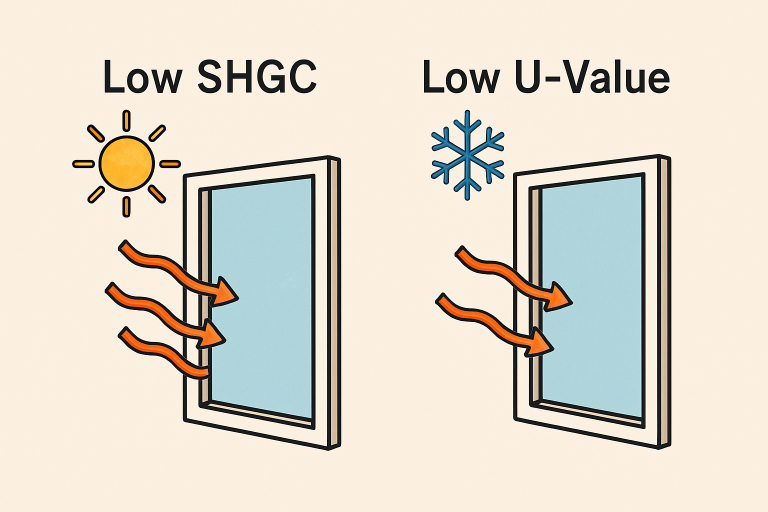
- SHGC (Solar Heat Gain Coefficient) measures how much solar heat enters your windows, with lower numbers preferred in sunnier, warmer climates.
- U-Value measures heat transfer through the window; lower values mean better insulation, helping to retain heat during colder months.
- The ideal SHGC and U-Value ratings depend on your local climate and can boost both comfort and energy savings.
Choosing the right windows is one of the most impactful investments you can make to improve your home’s comfort, energy efficiency, and long-term value. Two of the most important performance ratings to consider are SHGC and U-Value, which directly influence how your windows handle heat and sunlight. Gaining a clear understanding of what is SHGC and U-value in windows is essential for making informed decisions that keep your living spaces comfortable year-round.
As utility costs rise and more homeowners seek eco-friendly solutions, knowing how SHGC and U-Value work can save you money while reducing your environmental footprint. These ratings determine how much heat passes through your windows, impacting not only your monthly energy bill but also your home’s indoor comfort—whether you need to stay cool in summer or warm in winter.
Understanding SHGC and U-Value
The Solar Heat Gain Coefficient, or SHGC, quantifies the amount of sunlight (specifically solar heat) admitted through a window. It is rated on a scale from 0 to 1, where lower values indicate less heat is allowed inside, a significant benefit in warm, sunny climates, as it helps reduce cooling costs. SHGC is crucial in spaces with prolonged sun exposure, such as south and west-facing rooms. According to Energy.gov, understanding SHGC and other window performance ratings can help homeowners choose windows that improve energy efficiency.
U-Value, sometimes called U-Factor, represents the rate at which heat passes through a window assembly (glass and frame included). A low U-Value means the window has high insulating properties, crucial for keeping warm air inside during the winter and hot air outside during summer. When properly selected, U-Value can significantly improve a home’s thermal insulation, reducing heating and cooling loads.
It’s important to remember that both SHGC and U-Value serve different purposes. SHGC focuses on managing incoming solar heat, while U-Value targets overall thermal transfer. Homeowners should consider both metrics together not in isolation to maximize year-round comfort and efficiency.
Why These Metrics Matter
Your choice of windows can account for up to 30% of your home’s overall heating and cooling energy use. Inappropriate window selection leads to uncomfortable living spaces, overworked HVAC systems, and escalating energy bills. Lower SHGC windows block more sunlight and are ideal for preventing summer heat intrusion. In contrast, windows with a low U-Value are designed to trap interior warmth, which is critical in northern climates that experience icy winters.
Studies have shown that selecting windows tailored to your region can yield significant savings. Windows optimized for both solar and thermal performance can make a measurable difference in comfort and utility costs.
Optimal Ratings for Different Climates
- Hot Climates: Prioritize windows with a low SHGC (about 0.25 or less) to block excessive solar heat. A moderate U-Value (around 0.30) ensures sufficient insulation without compromising protection against heat gain.
- Cold Climates: Seek low U-Values (0.30 or lower) for maximum insulation and moderate to higher SHGC (0.30–0.40) to permit helpful solar warming and reduce reliance on heating systems.
- Mixed Climates: Balance is key. Opt for a moderate SHGC (0.25–0.35) alongside a low U-Value to keep your home comfortable during seasonal temperature swings.
Advanced Window Technologies
Low-E Coatings
Low-emissivity (Low-E) coatings are invisible metallic layers that reflect infrared (heat) energy. This technology allows visible sunlight to brighten your space while keeping unwanted heat out or, in the winter, precious warmth in.
Multiple Glazing Layers
Today’s double or triple-pane windows trap inert gases like argon or krypton between the glass panes, adding an extra layer of insulation. These multi-layer systems are highly effective at reducing U-values and noise infiltration.
Innovative Frame Materials
Window frames play a significant role in overall energy performance. Modern composite frame materials, such as Fibrex®, bridge the gap between wood’s strength and vinyl’s resilience, delivering more efficient windows that require less maintenance over time.
Professional Installation: A Critical Factor
High-performance windows can only reach their true potential when installed by qualified professionals. Even small gaps or poor sealing can result in substantial air leakage, undermining both SHGC and U-Value benefits. Experienced installers ensure that windows are square, well-sealed, and aligned. Choosing certified professionals can also help ensure warranty protection and compliance with energy codes and rebate programs.
Making Informed Decisions
- Assess Your Climate: Determine the typical weather patterns for your region hot, cold, or fluctuating seasons to prioritize either SHGC or U-Value.
- Evaluate Window Ratings: Match window specifications to your specific energy-efficiency goals. For instance, low U-Values for freezing climates and low SHGC figures for areas prone to intense sun.
- Consult with Experts: Seek personalized advice from window professionals to review available options, ensure proper fit, and clarify installation details.
Conclusion
Understanding and leveraging SHGC and U-Value ratings empowers you to choose windows that perfectly suit your climate, lifestyle, and budget. By aligning these performance metrics with modern window technology and meticulous professional installation, you can enjoy greater indoor comfort, lower energy bills, and a sustainable home upgrade that lasts for decades.
