

Table of Contents
- Pre-Travel Preparations
- Choosing the Right Carrier
- On-the-Road Safety
- Flying with Pets
- Managing Pet Anxiety
- Packing Essentials
- Health and Identification
- Conclusion
Traveling with pets can be a delightful adventure, but it takes thorough preparation to ensure a smooth experience for you and your furry companion. No matter the mode of travel road, rail, or air each presents unique challenges and requires thoughtful planning to safeguard your pet’s comfort and well-being. If you need expert assistance, consider turning to the best pet transport service in New York City to handle your pet’s travel needs with care and expertise.
With the right approach, you can avoid unnecessary stress, prevent common pitfalls, and enjoy a pleasant trip together. From selecting the ideal carrier to keeping your pet calm in new environments, the following guide will equip you with actionable strategies to make every journey memorable and trouble-free.
Pre-Travel Preparations
Scheduling a pre-trip veterinary visit is an important step before any journey. The vet will ensure your pet’s vaccinations are current, offer travel tips specific to your pet’s breed or health, and provide required travel documents if you are crossing borders. Gradually get your pet accustomed to their travel carrier well before departure by leaving it open at home and making it a cozy retreat with treats and toys. This helps minimize last-minute resistance and reduces overall anxiety.
Familiarizing your pet with short car rides or brief stays in their carrier in the weeks leading up to longer travel can make the process less intimidating for them. These brief sessions ease your pet into the realities of travel, reducing stress during the actual trip.
Choosing the Right Carrier
Carrier safety and comfort are crucial for both short and long trips. Choose a well-ventilated, sturdy carrier that’s spacious enough for your pet to stand, turn, and lie down. For air travel, ensure the carrier complies with your airline’s size and material requirements. Soft-sided carriers often work best for small pets traveling in the airplane cabin, while hard-sided carriers are more secure for cargo transport or car travel. Make the carrier inviting by lining it with your pet’s favorite blanket or toy.
Testing Carrier Fit and Security
Let your pet explore the carrier before travel and check for any points where they could escape or chew through. Security is as important as comfort when choosing a carrier, especially for long journeys.
On-the-Road Safety
While driving, always restrain your pet with a crash-tested harness, a pet seatbelt, or an anchored carrier to prevent distraction and keep everyone safe during sudden stops. Regular breaks—every two to three hours—allow pets to exercise, hydrate, and relieve themselves. Plan your route with pet-friendly stops and ensure your destination welcomes pets.
Never leave your pet alone in a parked vehicle, even for a few minutes. Temperatures inside cars can quickly rise or drop to dangerous levels, regardless of the season, putting your companion at serious risk.
Flying with Pets
Each airline has distinct policies regarding pets in the cabin and cargo. Research these guidelines well in advance, including breed restrictions and required documentation. Whenever possible, book direct flights to minimize layovers and potential issues with lost baggage involving pets. Prepare your pet for airport conditions by acclimating them to loud noises and crowded environments.
Label the carrier with your contact information and make sure your pet’s identification tags are up to date. Avoid feeding your pet immediately before the flight to help prevent nausea or accidents during travel.
Managing Pet Anxiety
A new environment or travel routine can trigger anxiety in even the calmest pets. Help your pet adjust by keeping feeding, walking, and playtime schedules consistent. Bring familiar objects, such as a worn t-shirt or a beloved toy, to offer reassurance. Calming pheromone sprays or chews can also help alleviate mild travel stress always discuss supplements or medications with your vet first.
Reading Your Pet’s Behavior
Watch for signs of stress, such as excessive panting, whining, or withdrawal. Addressing these signals early can prevent more serious issues and make the journey more pleasant for both of you.
Packing Essentials
Be prepared with a travel kit tailored to your pet’s needs:
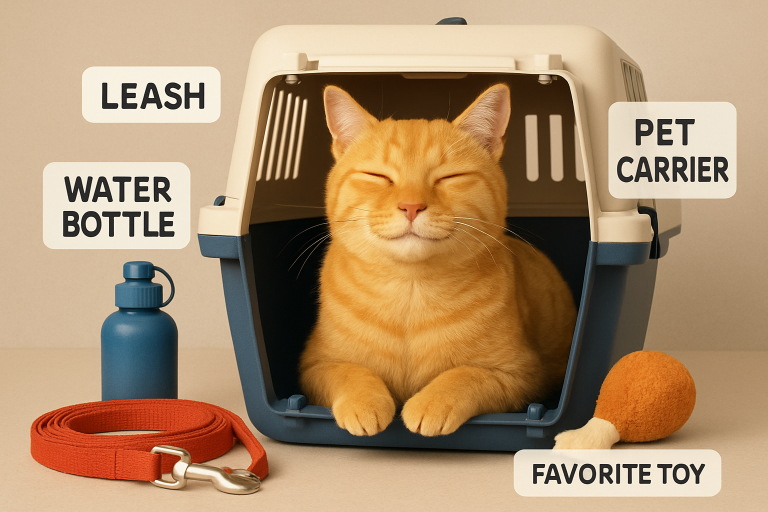
- Ample food and bottled water with collapsible bowls
- A sturdy leash and an ample supply of waste bags
- Any required medications along with health records
- Favorite comfort items, such as a toy or blanket
- Basic pet first aid supplies, including bandages and wipes
Organizing these essentials in advance reduces the risk of forgetting something critical while on the go.
Health and Identification
Before travel, double-check that your pet wears a collar with an ID tag listing your phone number and address. Microchipping adds an extra layer of security if your pet becomes lost or separated from you. Carry recent, clear photos of your pet on your phone; they can be invaluable for recovery efforts. For international travel, ensure all paperwork, vaccinations, and identification requirements are met for both your destination and return.
Conclusion
Thoughtful planning and attention to detail turn pet travel from a daunting task into an enjoyable experience for you and your animal companion. By focusing on safety, comfort, and preparation, you pave the way for seamless journeys filled with new memories. Whether you’re venturing across the country or heading out for a weekend getaway, prioritizing your pet’s needs ensures every adventure is a positive one for both of you.
