

Key Takeaways
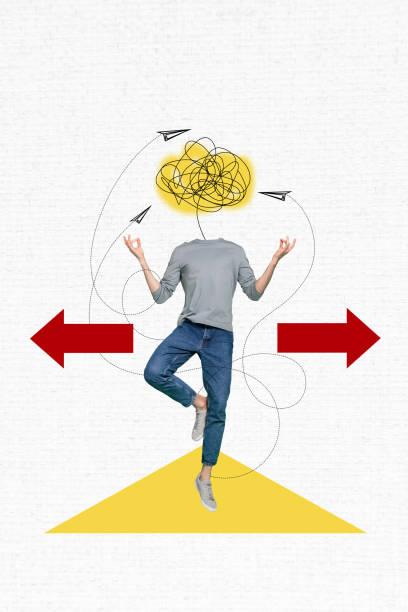
- Mindfulness and meditation can quiet anxious thoughts and promote emotional balance.
- Physical activity boosts mood and reduces the levels of stress hormones in the body.
- Deep breathing techniques offer instant relief from tension and overwhelm.
- Journaling aids in emotional clarity and helps identify anxiety triggers.
- Strong social connections are vital for emotional support and reassurance.
Anxiety is a common issue that can affect anyone, but simple self-help strategies can provide effective relief and empower you to regain control of your mental health. By embracing holistic practices and making small lifestyle adjustments, you can soothe anxious thoughts, enhance emotional resilience, and cultivate a deeper sense of well-being. If you’re currently facing challenges with anxiety or looking for targeted solutions, Anxiety treatment NYC is available to help you find personalized support and care. Proactively taking steps to manage anxiety can transform how you feel in both daily life and during stressful situations.
Whether you’re seeking to address mild tension or chronic symptoms, understanding and applying the right strategies is essential. With mindfulness, a balanced lifestyle, and emotional support, there are plenty of practical ways to reduce anxiety and cultivate calmness. Let’s explore a variety of proven methods you can start using today to prioritize your mental wellness and experience more joy in your life.
Practice Mindfulness and Meditation
One of the most effective approaches to alleviating anxiety is cultivating mindfulness. This involves focusing on the present moment while letting go of judgment and negative self-talk. Mindfulness and meditation practices encourage you to observe your thoughts and feelings with curiosity rather than criticism, helping to quiet racing minds and promote self-acceptance. Research has consistently shown that regular mindfulness meditation can decrease overall anxiety levels and increase emotional stability. Just a few minutes of mindful breathing or guided meditation each day can provide noticeable relief from tension.
Engage in Regular Physical Activity
Physical exercise remains one of the most powerful ways to reduce anxiety. Movements ranging from brisk walking to yoga and aerobic workouts ignite the release of endorphins your body’s natural stress relievers. Engaging in regular activity can help shift your focus away from worries, boost your mood, and improve sleep. In fact, studies suggest that adults who exercise regularly experience less anxiety and depression. If intensive routines feel overwhelming, even short, gentle forms of movement, such as stretching or tai chi, can provide significant benefits.
Practice Deep Breathing Techniques
Breathing exercises are simple yet profoundly effective for quickly reducing anxious feelings. Techniques such as box breathing, 4-7-8 breathing, or alternate nostril breathing work by regulating the nervous system, slowing the heart rate, and easing muscle tension. For example, box breathing consists of inhaling for four counts, holding for four, exhaling for four, and pausing for four before repeating. Practicing deep breathing can offer comfort during moments of acute stress, such as before a presentation or difficult conversation. To explore exercises in detail, see Harvard Health Publishing for breathing tips.
Maintain a Balanced Diet
Diet and nutrition have a substantial impact on your mental health and anxiety levels. Fluctuations in blood sugar, dehydration, or consuming large amounts of processed foods and sugar can trigger or worsen anxiety symptoms. Prioritize complex carbohydrates, lean proteins, healthy fats, and a colorful array of fruits and vegetables to stabilize your mood. Avoiding caffeine and alcohol may also help prevent anxiety spikes. Staying hydrated throughout the day ensures your body and mind function optimally, supporting a steadier emotional state.
Utilize Journaling for Emotional Processing
Journaling is a valuable method for processing emotions and untangling anxious thoughts. By setting aside a few minutes each day to write whatever comes to mind, you can clarify your feelings, recognize patterns, and identify triggers. Journaling doesn’t have to follow a specific format; whether you prefer freestyle writing, bullet journaling, or gratitude lists, the act of expressing yourself can help reduce emotional overwhelm and improve your problem-solving skills. Over time, reviewing your entries may reveal positive changes and coping strategies you hadn’t noticed.
Build a Support Network
Maintaining strong relationships with friends, family, or mental health professionals is crucial for emotional support during times of anxiety. Openly sharing your thoughts and feelings can provide a sense of validation and relief while also allowing others to offer helpful advice or simply a listening ear. Support groups, whether in-person or online, are valuable spaces for finding community and understanding, making the journey with anxiety less isolating. Reliable social connections are associated with improved mental health outcomes and can be particularly crucial during times of heightened stress.
Practice Self-Compassion
Practicing self-compassion means treating yourself with the same care and kindness that you extend to others, especially when you’re struggling with anxiety. Recognize and accept your feelings without judgment, and resist the urge to criticize yourself for experiencing difficult emotions. Cultivating a gentle inner voice and offering yourself supportive messages can aid healing and build resilience. Techniques such as affirmations, self-care routines, and seeking soothing activities help reinforce the habit of kindness toward yourself. Remember, it’s normal to have ups and downs self-compassion makes the journey more manageable and less lonely.
Conclusion
Adopting self-help strategies like mindfulness, exercise, deep breathing, journaling, balanced nutrition, and building supportive relationships can dramatically improve anxiety symptoms and overall quality of life. By incorporating these practices into your daily routine, you establish healthy habits that promote emotional well-being and resilience. If anxiety becomes overwhelming or persistent, professional help is available and can provide further tools and guidance tailored to your unique needs.
